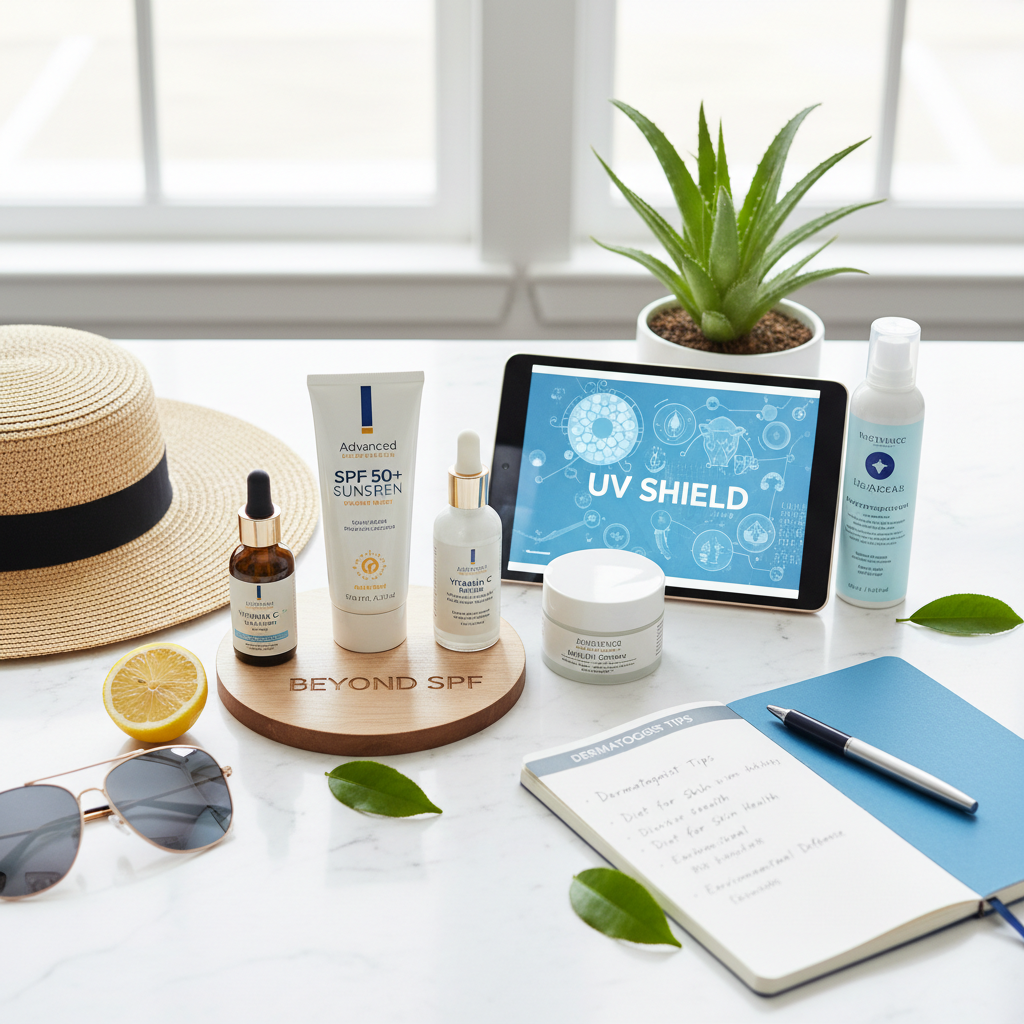
Beyond SPF: Advanced Strategies for Comprehensive UV Protection and Skin Health
If you’re someone who already slathers on SPF but still notices sunspots, fine lines, or stubborn melasma and you worry sunscreen alone isn’t enough, this guide is for you. You’re frustrated because standard advice feels incomplete, and you want practical, dermatologist tips that actually protect skin and slow aging. We’ll walk you through advanced photoprotection strategies, product sequencing, lifestyle tweaks, and clinical options so you can build a real plan that works for daily life and for procedures.
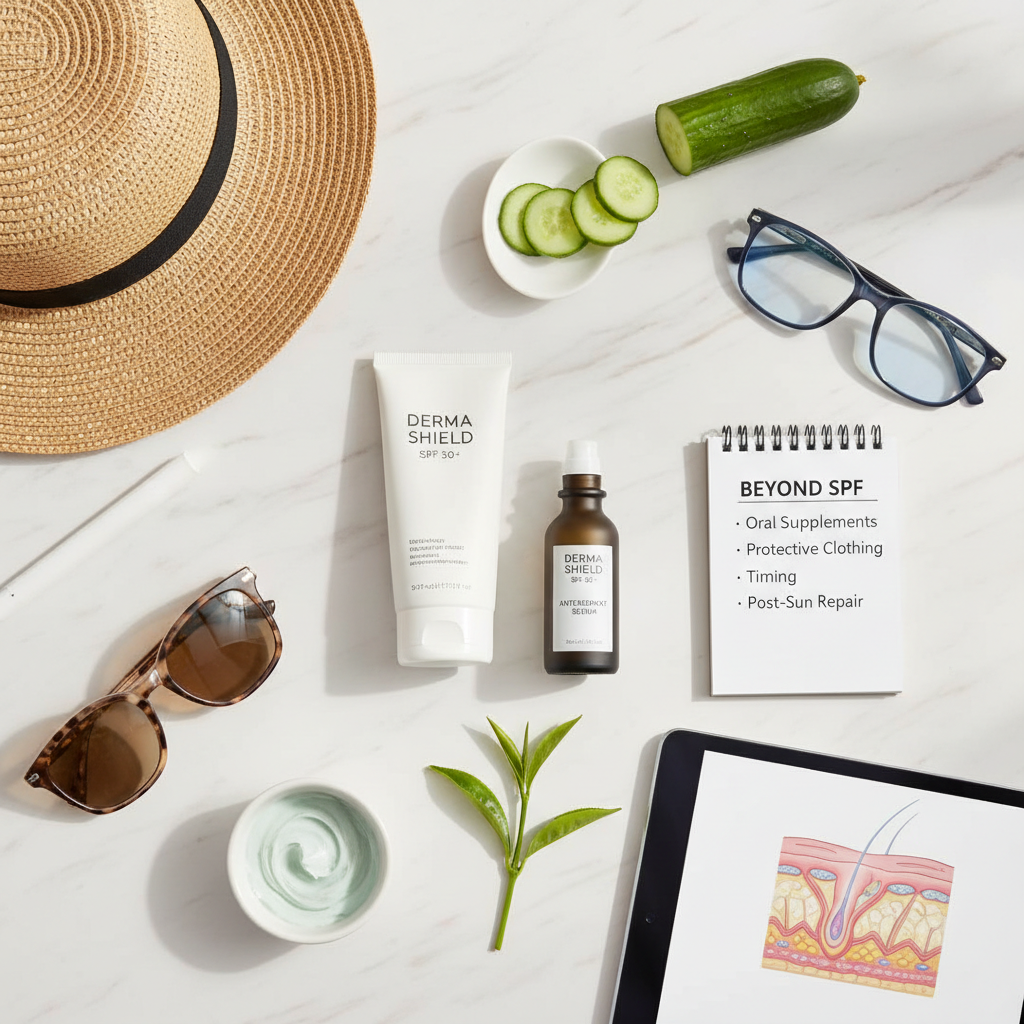
Top 12 Advanced Strategies for UV Protection and Lasting Skin Health
1. Use broad-spectrum sunscreen every day, but use it the right way
Everyone knows SPF matters. Few people apply it correctly. Use a broad-spectrum sunscreen with SPF 30 minimum, SPF 50 if you spend a lot of time outdoors. SPF 30 blocks about 97% of UVB, SPF 50 blocks about 98% – small difference, but every percent counts if you get heavy exposure (summers, vacations, outdoor jobs).
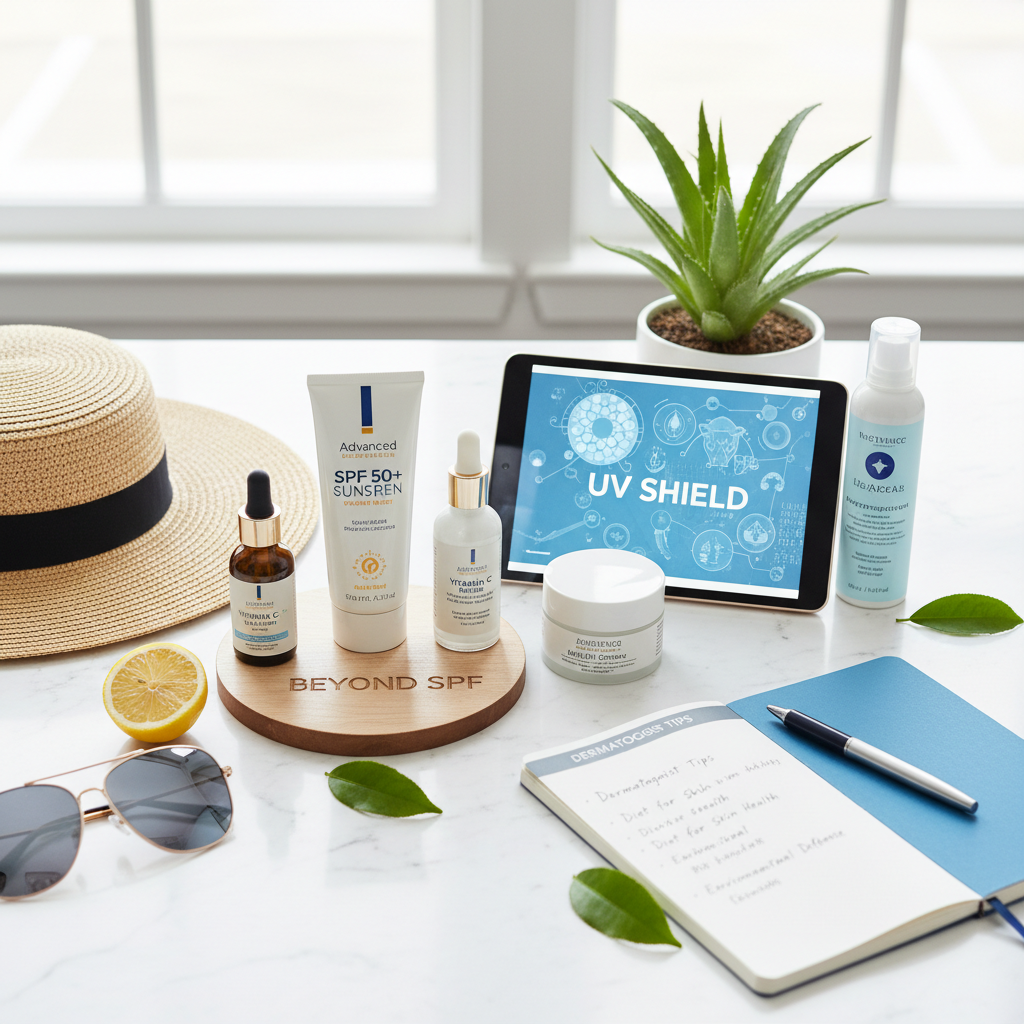
How to apply: use roughly 1/4 teaspoon (about a nickel-sized amount) for the face and 1 teaspoon per limb – yes, measuring helps. Apply sunscreen 15 minutes before going outside, and reapply every 2 hours or after swimming or sweating. Don’t forget often-missed spots: ears, back of neck, eyelids (with mineral sunscreen or dedicated eye formulas), lips (use an SPF lip balm).
2. Layer antioxidants under sunscreen to boost photoprotection
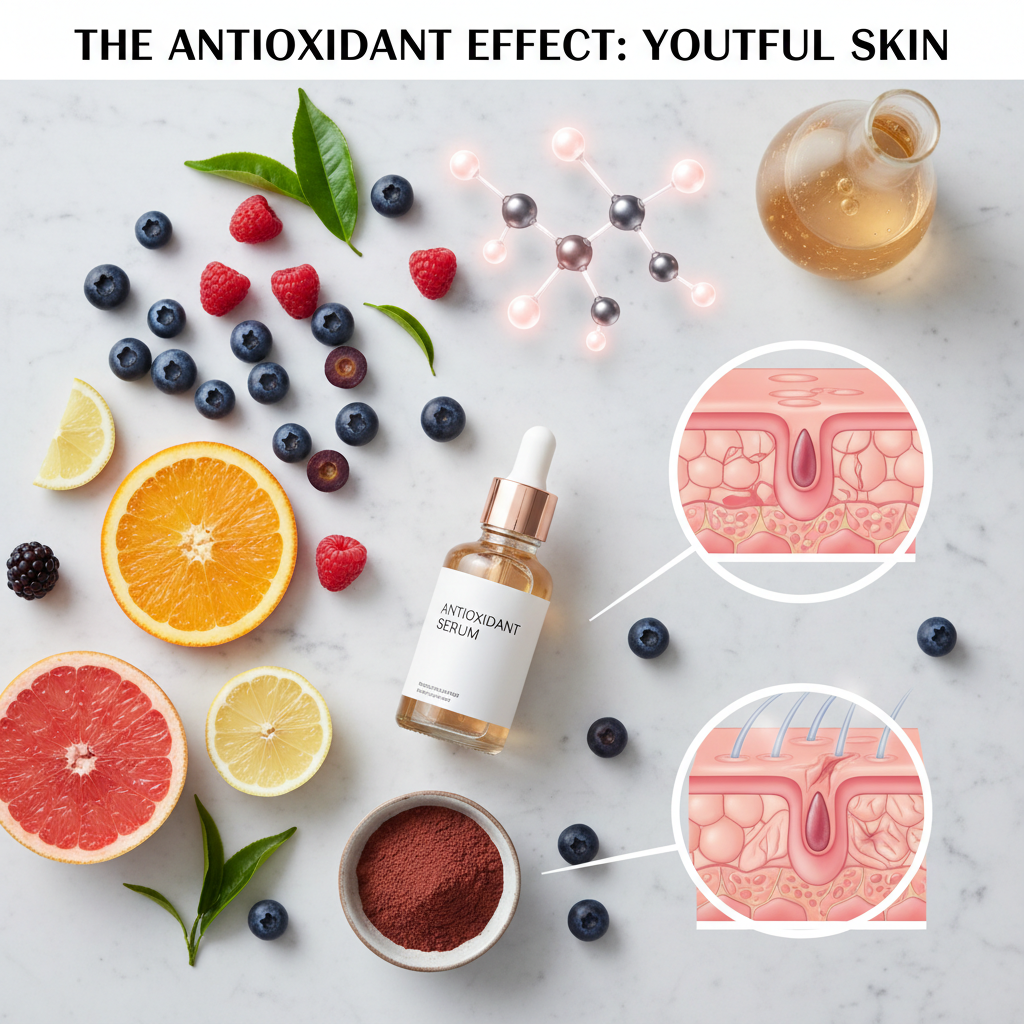
Antioxidants address free radical damage that sunscreen doesn’t block. Start your morning routine with an antioxidant serum – L-ascorbic acid (vitamin C) 10-20% is the classic; vitamin E and ferulic acid amplify effects. I’ve noticed vitamin C makes sunscreen feel like a backup rather than the only defense.
Layering order: clean skin, antioxidant serum, moisturizer if you need it, then sunscreen. This strategy reduces oxidative stress from UVA and visible light, and can help slow photoaging (wrinkles, sagging) when used consistently.
3. Choose tinted mineral sunscreens with iron oxide for visible-light protection
Visible light (especially blue light) and UVA can worsen hyperpigmentation. Tinted mineral sunscreens that contain iron oxide block visible light and are game-changers for people with melasma or darker skin tones. They also provide natural coverage so you might skip foundation.
Look for zinc oxide plus iron oxide in the ingredient list, and SPF 30-50. Tinted formulas also help meet reapplication goals — people reapply makeup more than sunscreen, so this is practical protection.
4. Add oral photoprotective supplements thoughtfully
There’s growing evidence for oral photoprotectors such as Polypodium leucotomos extract. From what I’ve seen in clinic, 240 mg daily can reduce UV-induced redness and help with chronic photodamage when used alongside topical measures. Talk with your dermatologist before starting supplements, especially if you’re on other medications.
Other supplements like nicotinamide (500 mg twice daily) have shown benefits for skin cancer prevention in high-risk patients, but that’s a medical decision. Don’t swap supplements for sunscreen – think of them as additional armor, not a replacement.
5. Prioritize UPF clothing and physical barriers for the highest-risk times
Sunscreen is great, but fabrics and hats provide predictable coverage. Invest in UPF 50+ shirts, and wear a wide-brim hat (at least 3 inches) and UV-blocking sunglasses (look for UV400). For extended outdoor activity, a sun umbrella or shade is smart.
Why this matters: cloth blocks UVA and UVB consistently, while sunscreen can rub off or be applied thinly. For kids and outdoor workers, UPF clothing cuts down the total UV dose substantially (and it’s easier to maintain than constant reapplication).
6. Optimize sunscreen formulas for your skin type and activities
Different sunscreens suit different needs. If you have oily or acne-prone skin, use oil-free, non-comedogenic chemical or mineral formulas. If you’re swimming or sweating, choose water-resistant options (labeled 40 or 80 minutes). For rosacea or sensitive skin, physical/mineral sunscreens with zinc oxide are gentler.
Pro tip: chemical filters absorb UV, physical filters reflect it. Mixing both gives broad protection. If you plan outdoor workouts, try a light, fast-absorbing formula you’ll actually reapply. No point buying a fancy product you won’t use.
7. Target DNA repair and repair-promoting actives
Sunscreen prevents damage. But once DNA damage occurs, you want to repair it. Products with DNA repair enzymes (like photolyase), topical niacinamide (2-5%), and repair-focused peptides can accelerate recovery and reduce hyperpigmentation. I’d add these into evening routines after sun exposure days.
Retinoids also promote repair and collagen remodeling. Start with a low concentration and build up to tolerance — retinoids are the cornerstone anti-aging tool after you’ve controlled sun exposure. They help fade photodamage and stimulate skin thickness, which improves resilience to further UV.
8. Protect around procedures – before and after
If you’re planning lasers, chemical peels, or injections, photoprotection matters more than you might expect. Avoid tanning and intense sun for at least 2 weeks before most procedures, and plan strict sun avoidance or high-SPF use for 2-4 weeks after treatment (follow your provider’s protocol).
Why: UV exposure increases complications like prolonged redness, pigmentary changes, and poor wound healing. The best cosmetic outcomes come when photoprotection is a pre- and post-care priority.
9. Manage indoor and artificial UV/blue light exposures
People assume sun protection is only for outdoors. Not true. Window glass blocks most UVB but lets through UVA and visible light, which contributes to aging. If you sit by windows a lot, wear sunscreen. For screens and LED lights, blue-light effects are less than solar light but can still affect pigmentation in sensitive individuals — tinted sunscreens and antioxidant serums help.
Also, tanning beds are a hard no. They emit concentrated UVA and are linked to dramatically higher skin cancer risk and accelerated aging. If you want a tan, use self-tanning products instead.
10. Tailor protection to skin tone and pigmentary concerns
Melasma and post-inflammatory hyperpigmentation need different strategies. Tinted sunscreens with iron oxide, strict sun avoidance during flare-ups, and topical agents like azelaic acid or hydroquinone (under dermatology supervision) help manage pigment. I’ve found that patients who take visible-light protection seriously see faster, more durable improvement.
Also, darker skin tones still need high SPF and UVA protection — they’re often undertreated because burning is less obvious. UVA drives deep pigment changes, so broad-spectrum and visible-light blocking matter a lot.
11. Build a seasonal and situational sun plan
Sun exposure risk changes with season, altitude, and latitude. This summer 2026 you might get more midday UV if you travel to high-altitude locations or winter sports areas with snow reflection. Plan for higher SPF, physical barriers, and more frequent reapplication during those trips.
Make reapplication easier: carry a travel-size sunscreen, use a spray or powder SPF for touch-ups, and set phone reminders (I recommend every 2 hours during peak sun). For long travel days, aim for a consistent routine rather than perfect coverage every minute.
12. Use professional interventions to reverse established photodamage
When sunscreen and topicals aren’t enough, in-office treatments accelerate repair and improve texture and tone. Options include ablative and non-ablative lasers, IPL for sunspots, microneedling with growth factors, and chemical peels. These treatments stimulate collagen, remodel pigment, and can reduce fine lines significantly.
If this feels overwhelming, our clinic can evaluate your skin and design a staged plan – starting with protection, then using actives, and finally in-office procedures to restore skin architecture. The result is better, faster, and longer-lasting than patchwork treatments alone.
Practical Daily Routine – A Simple Template
Want a no-nonsense sequence you can follow? Try this:
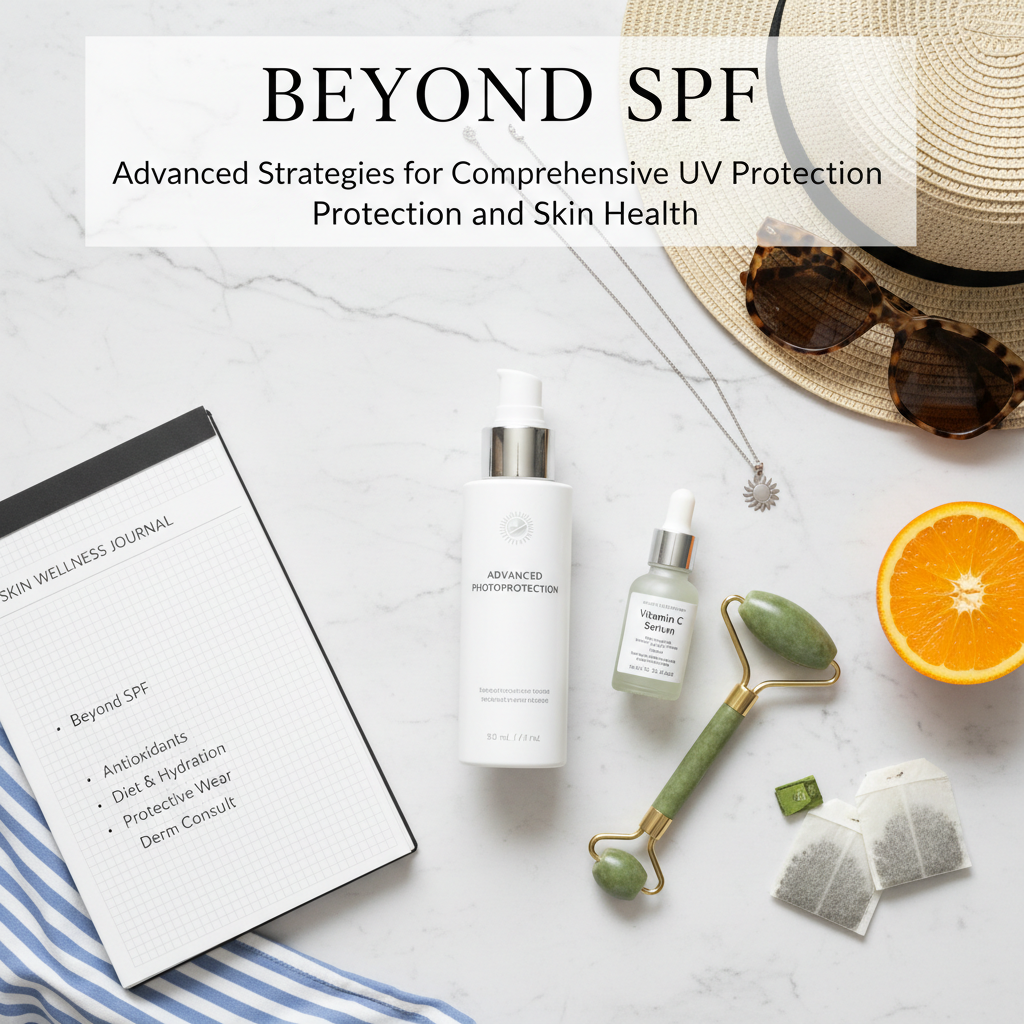
– Morning: Cleanse, vitamin C serum (10-20%), moisturizer if needed, broad-spectrum SPF 30-50 (tinted if you need visible-light protection), sunglasses and hat when outside.
– Midday: Reapply sunscreen every 2 hours; use a powder SPF for makeup touch-ups or a spray for quick reapplication after exercise.
– Evening: Cleanse, retinoid (2-3 nights per week to start), moisture plus DNA repair serums on high-exposure days. Add in targeted pigment treatments as prescribed by your dermatologist.
Quick Answers to Common Questions
Do I still need sunscreen on cloudy days?
Yes. Clouds block only part of UV radiation. UVA can penetrate cloud cover and cause photoaging and pigmentation, so sunscreen on cloudy days is non-negotiable.
Can I rely on SPF makeup alone?
Makeup with SPF rarely contains the amount of sunscreen you need. Use a dedicated sunscreen first, then use SPF makeup as a secondary layer for convenience and reapplication support.
Is SPF 100 worth it?
SPF 100 offers slightly more UVB protection than SPF 50, but it can give false security and encourages longer sun exposure. For most people, SPF 50 plus disciplined reapplication and physical barriers is the better approach.
Last Words
Photoprotection is not just slapping on sunscreen. It’s a layered strategy that combines proper sunscreen use, antioxidants, visible-light protection, physical barriers, supplements when appropriate, and clinical repair when needed. The truth is: consistent small choices – reapplying, wearing a hat, choosing tinted mineral sunscreen – add up to big differences in aging, pigmentation, and cancer risk. If you want help building a regimen that fits your lifestyle and skin goals, our team can create a customized plan and handle the technical stuff so you can get back to living life without worrying about every sunbeam.