Mastering Melasma: Top 9 Advanced Treatments and Prevention Strategies for Hyperpigmentation
If you’re someone tired of dark patches that won’t budge—maybe after pregnancy, hormone therapy, or too many sunny weekends—and you’re worried that every product is just wasting time and money, you’re in the right place. This guide is for people who want clear, evidence-backed options and a real plan (not hype), and our dermatology team can help you sort the noise from what actually works, create a timeline, and manage risk so you get results without unnecessary side effects.
1. Strict sun protection – the non-negotiable first step
Why it matters: Melasma is driven by UV and visible light. Stop the trigger, and you stop worsening pigment.
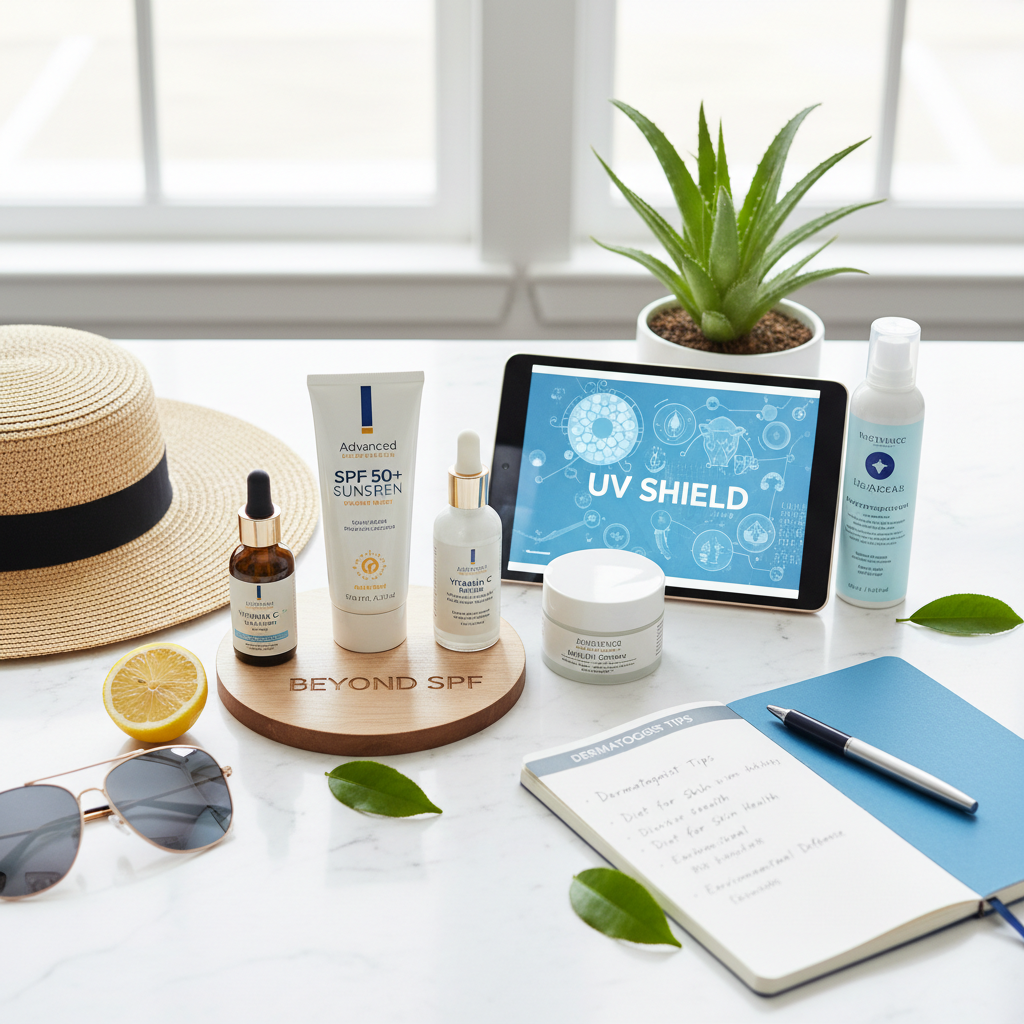
Actionable steps: Use a broad-spectrum SPF 50+ every morning, reapply every 2 hours when outdoors, and add a physical blocker (zinc oxide or titanium dioxide) if you’re in direct sun. Wear a wide-brim hat and sunglasses. Think of sunscreen as the foundation for every melasma treatment plan.
2. Prescription topical lighteners – hydroquinone and alternatives
Hydroquinone 4% is the classic gold-standard for reducing pigment. It inhibits melanin production and often shows visible improvement in 8 to 12 weeks.
But it’s not the only option. I’ve noticed patients who can’t tolerate hydroquinone do well with azelaic acid 20%, kojic acid formulations, or tranexamic acid topicals. Your dermatologist can prescribe a course and monitor for irritation. Some people respond faster than others; patience matters.
3. Triple combination creams – speed and synergy
What it is: A formula that combines hydroquinone, a retinoid (like tretinoin), and a mild steroid. This three-way approach reduces pigment formation, increases cell turnover, and calms inflammation.
How fast: Many patients see significant lightening in 8 to 12 weeks. Expect redness or peeling early on (that’s normal). Your dermatologist will taper the steroid to avoid long-term skin thinning.
4. Retinoids – enhance penetration and renewal
Retinoids (tretinoin, adapalene) aren’t just acne meds. They speed epidermal turnover and help fade dark spots while improving skin texture.
Use them at night, start low frequency, and build up. They make sunscreen mandatory because they increase sun sensitivity. In my experience, combining a retinoid with a lightener gives more durable results than either alone.
5. Chemical peels – controlled exfoliation for stubborn patches
Peels like glycolic acid, lactic acid, and superficial TCA can accelerate pigment shedding when performed by a qualified clinician. They’re best used as part of a planned protocol, not a one-off.
Typical course: 3 sessions spaced 3 to 6 weeks apart. Risks: post-inflammatory hyperpigmentation if done too deep or on darker skin without proper pre-treatment (which is why dermatologist oversight matters).
6. Laser and light therapies – proceed with caution
Lasers can be powerful, but they’re a double-edged sword. Some patients get dramatic clearing with picosecond lasers or fractional devices; others end up with worse pigmentation if the settings are wrong.
Best practice: Use conservative settings, combine with topical lighteners before and after, and pick clinicians experienced in treating melasma on your skin type. Expect multiple sessions (often 3 to 6) and a careful maintenance plan.
7. Tranexamic acid – oral and topical options
Why it works: Tranexamic acid reduces pigment formation by interfering with the pathways that link inflammation to melanin. It’s been a game changer for many people, especially hormonal melasma.
Forms: Topical tranexamic acid is safe for many; oral tranexamic acid is used by dermatologists in low doses for selected patients (monitoring required). Results typically appear after 8 to 12 weeks. There are risks with oral therapy, so discuss blood clot risk factors first.
8. Microneedling and combination therapies
Microneedling creates microchannels that boost absorption of lightening agents; combining needling with topical tranexamic acid or vitamin C often produces better outcomes than either alone.
Note: Use gentle settings and pair with sun protection and topical maintenance to avoid rebound hyperpigmentation. I think of microneedling as an enhancer, not a standalone cure.
9. Long-term maintenance and skin brighteners
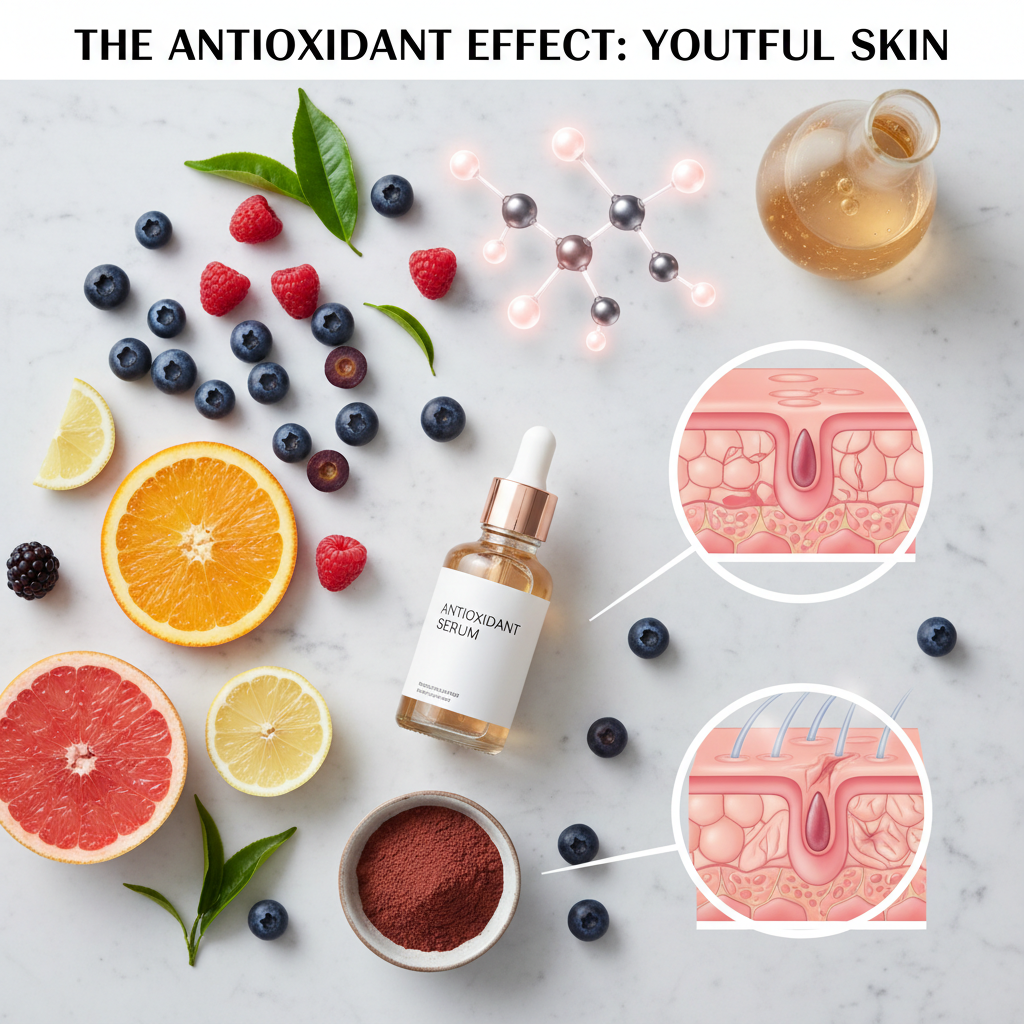
Melasma is chronic and relapsing for many people. Maintenance matters. After clearing, keep using a mild lightener 2 to 3 times weekly, daily SPF 50+, and an antioxidant serum (vitamin C, niacinamide) to stabilize results.
Skin brighteners you can consider: topical vitamin C, niacinamide 5% or higher, arbutin, and gentle exfoliating acids like lactic acid. Avoid aggressive home peels or unproven “natural” remedies that can irritate skin and make discoloration worse.
Frequently Asked Questions
What causes melasma?
Melasma is caused by an interplay of hormones (estrogen and progesterone), sun exposure, genetics, and inflammation. Certain medications and thyroid disease can contribute. Basically, melanocytes get overactive in patterns, producing excess pigment.
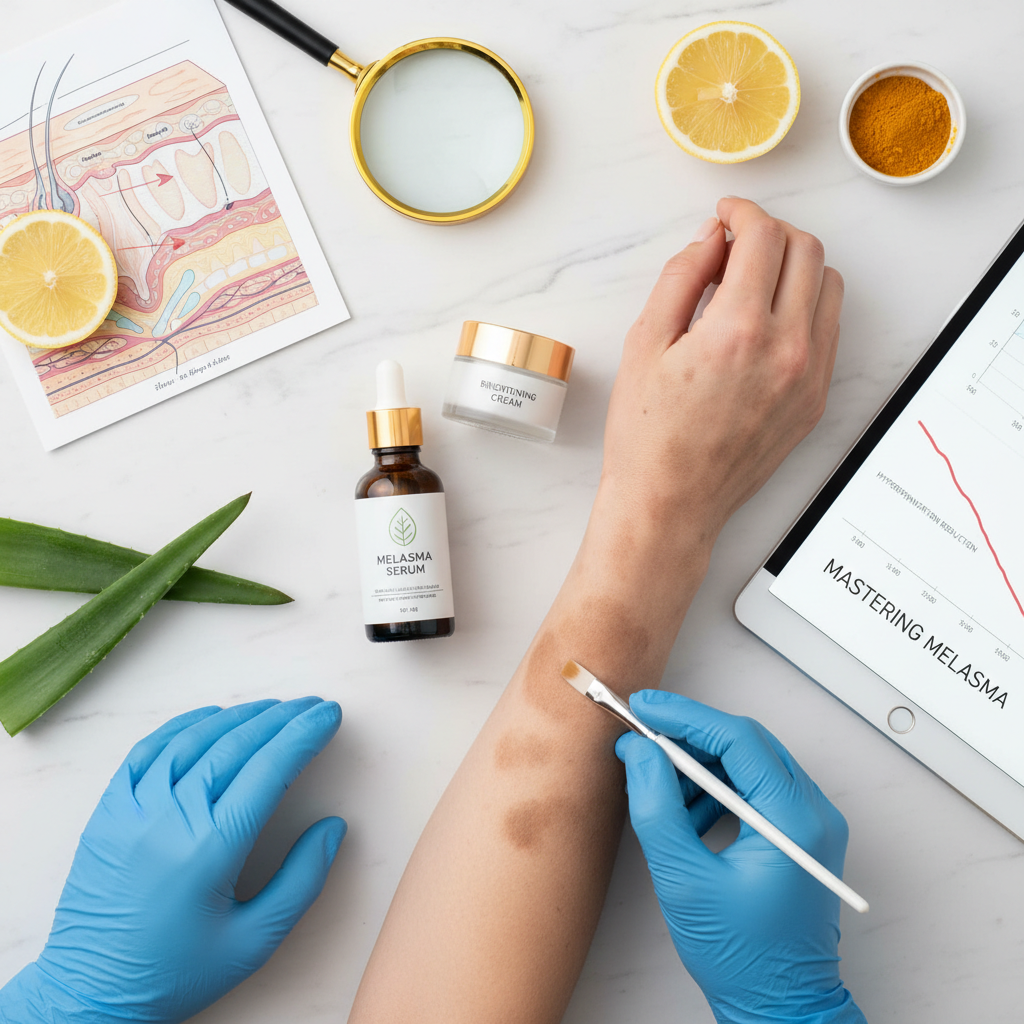
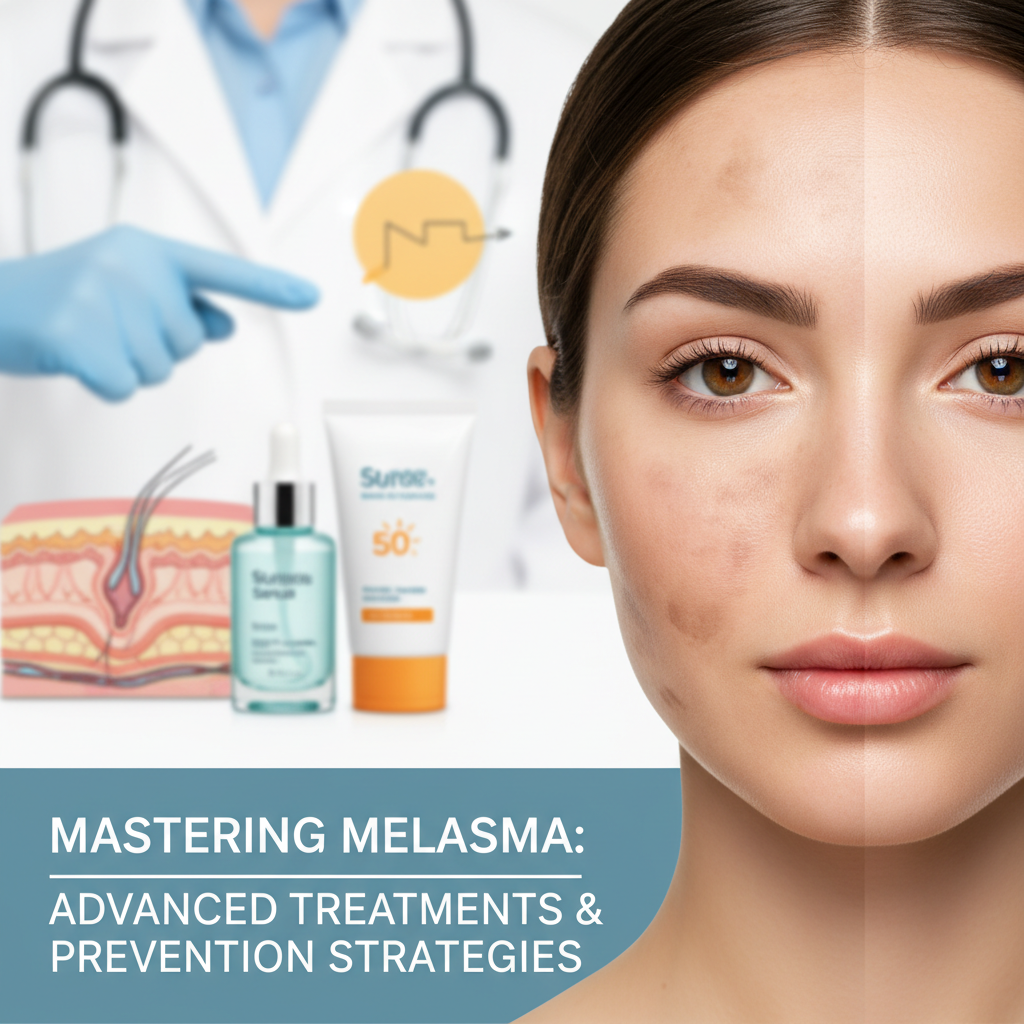
Can melasma be cured?
Short answer: not always cured, but often controlled. Many people achieve significant lightening with combination therapy and strict sun protection, but maintenance is usually needed to prevent recurrence.
Which melasma treatment works fastest?
Triple combination therapy often produces the fastest visible improvement within 8 to 12 weeks. But speed isn’t everything. Rapid aggressive treatment can cause rebound pigmentation, so a dermatologist-guided plan that balances speed and safety is smarter.
Are lasers safe for melasma?
Lasers can be effective, but they carry a higher risk of worsening pigment if misapplied. Choose a physician experienced with melasma, insist on conservative settings, and integrate topical pre- and post-care.
How can I prevent melasma from coming back?
Use SPF 50+ every day, add a physical sunscreen when you can, avoid peak sun hours, and continue maintenance topical therapy. If you’re on hormone therapy or pregnant, talk to your dermatologist about management options (some treatments aren’t safe during pregnancy).
If this feels overwhelming, our clinical team can design a step-by-step plan—starting with non-invasive measures and escalating only if needed—so you avoid wasted time and minimize risk. Book a consult, and we’ll map out realistic expectations, timelines (usually 8 to 16 weeks to see real change), and follow-up so your skin stays brighter, longer.