The Role of Antioxidants in Preventing Premature Skin Aging: A Deep Dive
If you’re someone who’s seeing fine lines, brown spots, or sagging skin earlier than you’d expect and you’re tired of guessing which skincare ingredients actually work, you’re in the right place. The frustration is real – store shelves and feeds are packed with promises – and the key challenge is separating marketing from mechanisms that truly protect skin. Our team helps by explaining, in plain terms, which antioxidants reduce oxidative damage, how to layer them into a routine that fits your skin, and what evidence-backed product features to look for so you don’t waste time or money.
How do antioxidants prevent premature aging?
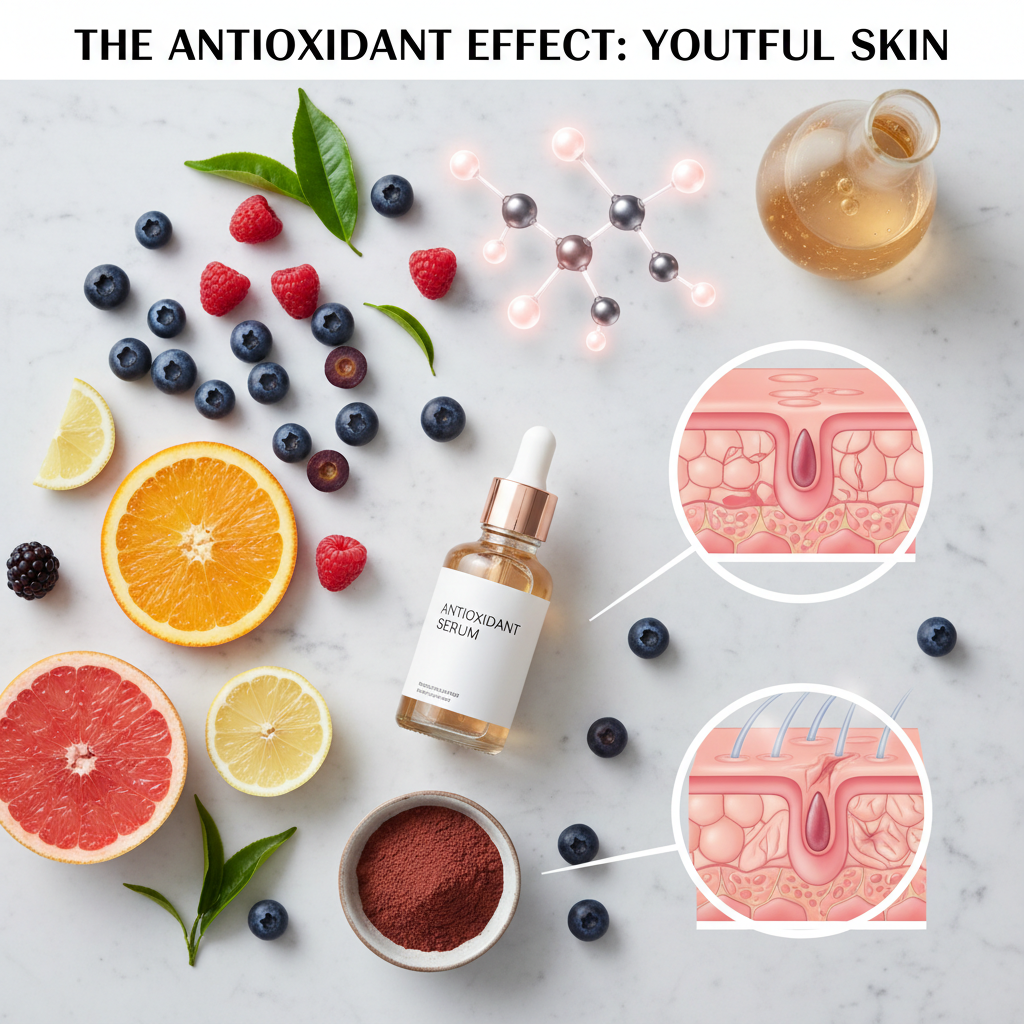
Short answer: antioxidants neutralize free radicals, which are unstable molecules that damage proteins, lipids, and DNA in skin cells. That damage speeds up breakdown of collagen and elastin, increases inflammation, and creates the visible signs of premature aging – think fine lines, loss of firmness, and uneven pigment.
And here’s the more useful part – antioxidants do three things for skin health:
- Neutralize free radicals from UV exposure, pollution, and smoking (so-called oxidative stress).
- Reduce enzymatic breakdown of collagen by lowering matrix metalloproteinase (MMP) activity.
- Support cellular repair pathways and modulate inflammation, which preserves texture and tone.
So, antioxidants aren’t a magic wand. But they’re preventative medicine for skin – they slow damage before it becomes visible, and they help repair small-scale injury so skin looks healthier over time.
Which antioxidants are best for skin health?
Not all antioxidants are equal for topical use. Some are powerful but unstable, others are gentle but less potent. Pick based on your skin type, tolerance, and goals.
Vitamin C (L-ascorbic acid) – the workhorse
Why it matters: vitamin C neutralizes many types of free radicals and promotes collagen synthesis. Clinical data support reduced photodamage and improved firmness with regular use.
How to use: look for 10% to 20% L-ascorbic acid for proven efficacy. Product pH should be under 3.5 for L-ascorbic acid to work optimally (so packaging and formulation matter). If your skin is sensitive, try a stabilized derivative like sodium ascorbyl phosphate (gentler) or magnesium ascorbyl phosphate.
Vitamin E plus ferulic acid – synergy
Why it matters: vitamin E pairs with vitamin C to stabilize it and increase photoprotection. Ferulic acid strengthens both, boosting antioxidant activity by measurable percentages in controlled studies (yes, numbers matter – that combo increases potency).
How to use: a morning serum with vitamin C 15%, vitamin E 1% and ferulic acid 0.5% is a classic, evidence-backed formulation for photoprotection.
Niacinamide – multitasker
Why it matters: niacinamide (vitamin B3) reduces inflammation, improves barrier function, and evens skin tone. It also reduces transepidermal water loss, so skin looks plumper.
How to use: 2% to 5% niacinamide in serums or moisturizers works well. You can use it morning and night; it’s compatible with most other actives (contrary to a persistent myth about vitamin C).
Polyphenols: green tea (EGCG), resveratrol, and plant extracts
Why they matter: polyphenols are antioxidant and anti-inflammatory. Green tea extract (EGCG) targets UV-mediated damage and calms redness. Resveratrol is more potent but less stable, and works well in protected formulations.
How to use: look for standardized extracts and stable delivery systems; these often show benefits when used consistently for 12 weeks or more.
CoQ10, astaxanthin, and carotenoids
Why they matter: CoQ10 supports cellular energy and antioxidant defenses, astaxanthin is one of the most potent carotenoid antioxidants known for skin, and dietary carotenoids support photo-protection from the inside.
How to use: these can be used topically or taken orally, but expect more subtle, systemic benefits when taken as supplements (more on diet below).
How to include antioxidants in your anti-aging skincare routine
Here’s a practical routine that balances protection, repair, and tolerability.
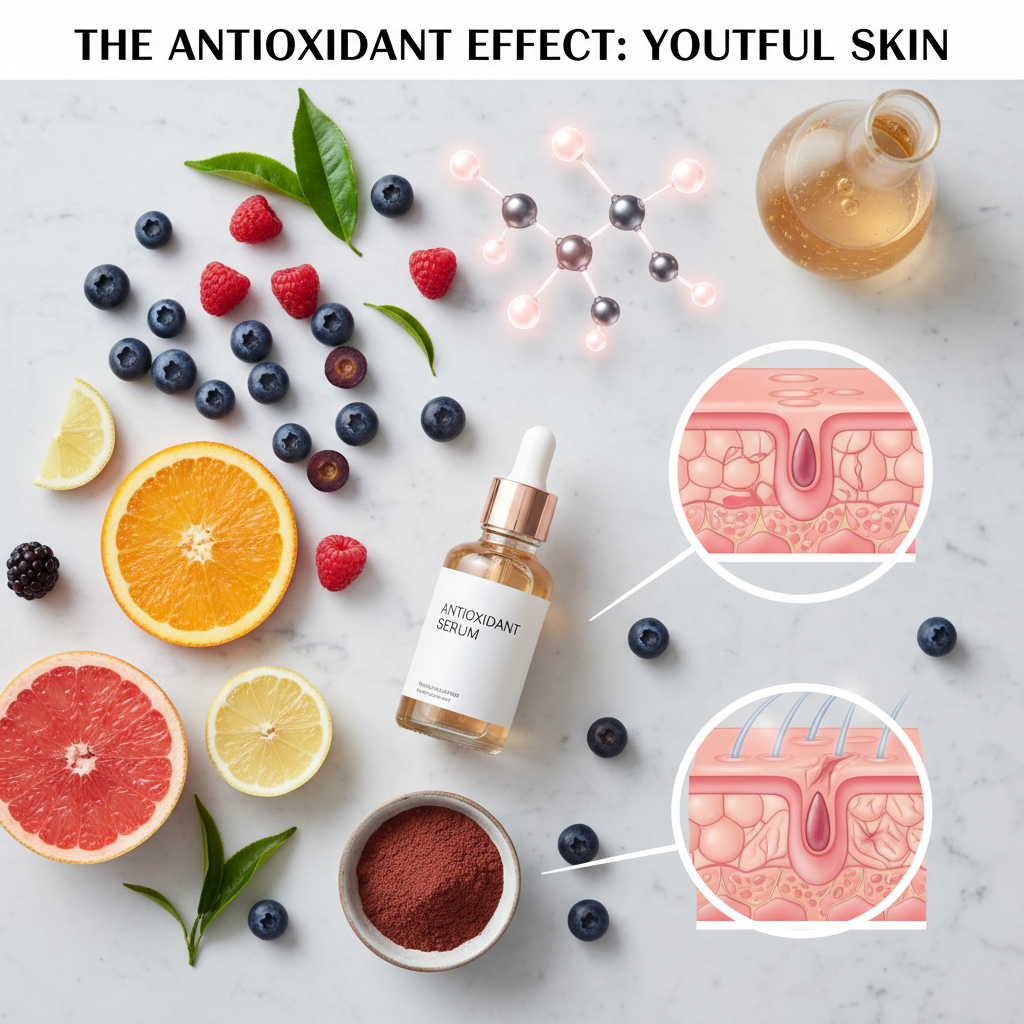
Morning – prioritize protection and prevention
- Cleanser
- Antioxidant serum – light, fast-absorbing (example: vitamin C 15% + vitamin E 1% + ferulic 0.5%)
- Moisturizer
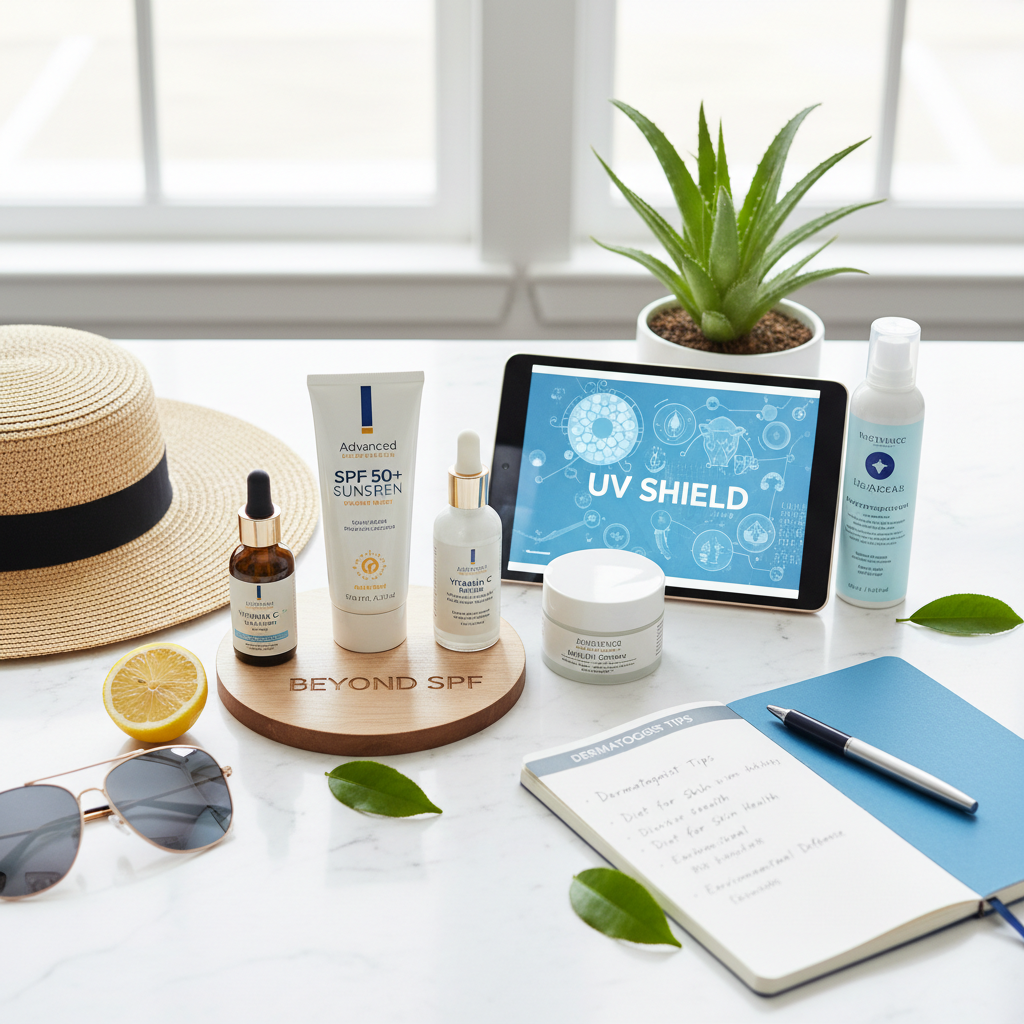
- Sunscreen SPF 30 or higher – broad spectrum (this cannot be skipped)
Yes, sunscreen is non-negotiable. Antioxidants help, but they do not replace SPF. Think of antioxidants as insurance; SPF is the primary barrier.
Evening – repair and regeneration
- Cleanser
- Retinoid or retinol (if tolerated) – use 0.25% to 1% depending on tolerance
- Niacinamide or a hydrating antioxidant moisturizer
- Spot treatments as needed
Pro tip: introduce one new active every 2 weeks. Patch test. If you get irritation, scale back frequency instead of concentration.
Product selection: what packaging and labels actually matter
Packaging is half the battle with antioxidants, because oxidation ruins them.
- Airless pumps or opaque tubes – keep light and air out.
- Low pH for L-ascorbic acid formulas – brands should list pH or show formulation details.
- Clinical concentrations – avoid products that don’t list concentrations, especially for vitamin C and niacinamide.
- Stabilized derivatives when you have sensitivity – look for names like sodium ascorbyl phosphate, ascorbyl glucoside.
Diet, supplements and lifestyle for better skin health
Topicals are powerful, but skin health is systemic too. From what I’ve seen with clients and studies, combining topical antioxidants with diet and lifestyle accelerates visible results.
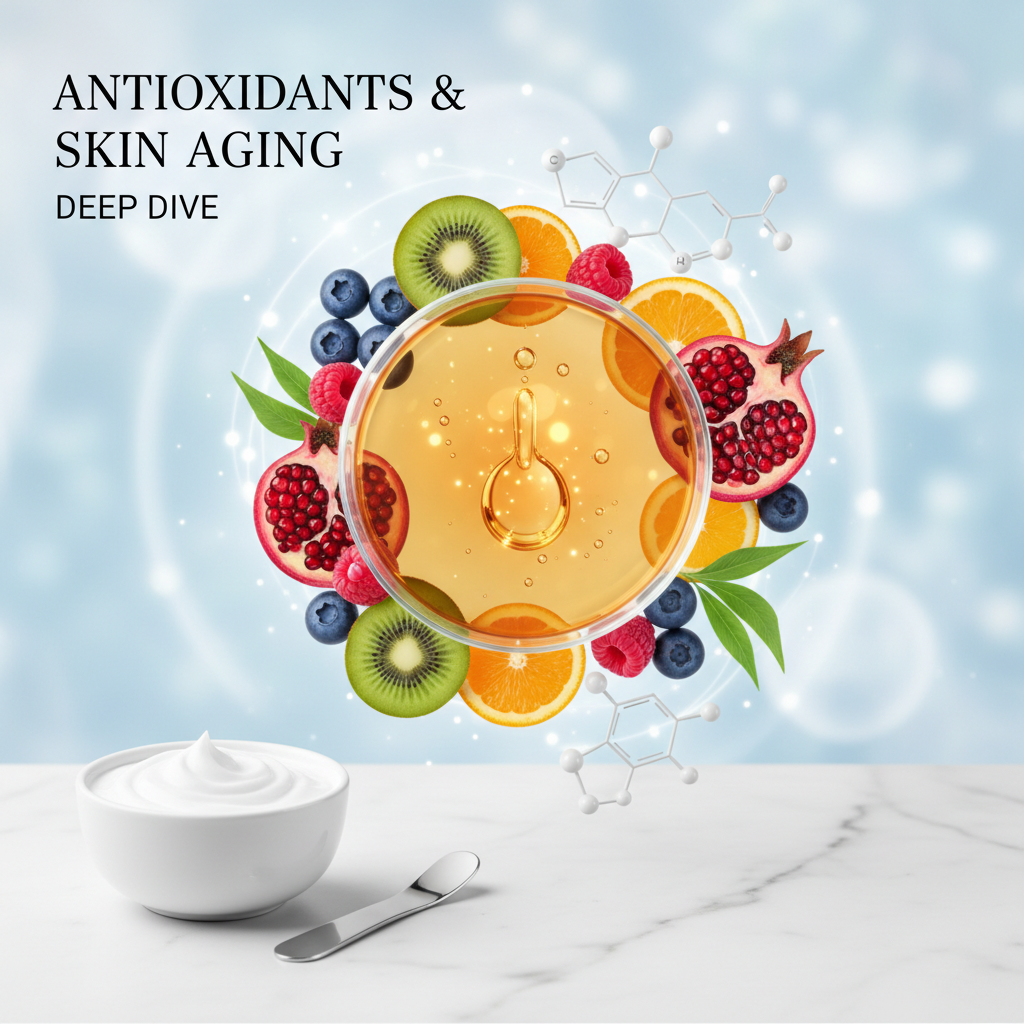
- Eat colorful produce – aim for at least 3 servings of brightly colored fruits or vegetables daily (berries, leafy greens, red peppers). They supply vitamin C, carotenoids and polyphenols.
- Include oily fish twice per week for omega-3 fatty acids – these reduce inflammation and support barrier health.
- Limit added sugars – high blood sugar accelerates glycation, which stiffens collagen and worsens wrinkles.
- Quit smoking – smoking increases oxidative stress dramatically and reduces blood flow to skin.
- Sleep 7 to 8 hours – that’s when repair happens, and poor sleep increases markers of inflammation.
Supplements can help if your diet is lacking. For targeted support, many dermatologists recommend oral astaxanthin 4 mg daily or a mixed antioxidant supplement that includes vitamins C and E and carotenoids. But talk to your clinician before starting anything new.
Common mistakes that sabotage anti-aging efforts
Look, it’s easy to make mistakes. I’ve seen people layering six serums and then wondering why their skin is angry. Here are the ones that matter most.
- Relying on antioxidants as sunscreen. They complement SPF but don’t replace it.
- Using unstable vitamin C in clear jars – you’ll get oxidation and no results.
- Adding everything at once – irritation or unpredictable interactions can occur.
- Expecting overnight changes – antioxidant-driven improvements usually show after 8 to 12 weeks of consistent use.
- Ignoring lifestyle factors – you can slather antioxidants, but smoking and high sugar intake will keep accelerating damage.
Safety, interactions, and realistic expectations
Most antioxidants are safe for daily use. That said, watch for redness, burning, or peeling when you start high-concentration actives. If irritation happens, reduce frequency to every 3 days, then build up. And be cautious combining strong acids (AHA/BHA), high-strength vitamin C, and retinoids all at once – break them into AM/PM or alternate nights.
Also – you will not erase decades of sun damage overnight. Antioxidants slow progression and improve texture, but prevention is the real win. If this feels overwhelming, our team can handle product selection and formulation checks for you, so you hit your goals without trial-and-error.
How long until I see results from antioxidants?
Short answer: expect measurable improvement in 8 to 12 weeks for texture and tone, and 4 to 6 months for deeper wrinkle reduction when antioxidants are combined with retinoids and sun protection. That’s based on clinical timelines and on what I’ve observed in clinic practice. Patience pays off.
Frequently Asked Questions
Can antioxidants reverse existing wrinkles?
They can improve surface texture and skin firmness, and reduce pigment irregularities, but they rarely erase deep wrinkles on their own. Combining antioxidants with retinoids, professional treatments (like lasers or microneedling), and strict sun protection produces the best reversal of established aging signs.
Are topical antioxidants better than oral supplements?
Both have roles. Topicals deliver antioxidants directly where damage occurs, so they tend to produce quicker, more visible skin benefits. Oral antioxidants support systemic oxidative balance and can enhance skin resilience from the inside. Using both is reasonable, but don’t assume supplements replace topical SPF and serums.
Can I use multiple antioxidant serums at once?
You can, but simpler is often better. A single well-formulated serum that combines vitamin C, vitamin E, and ferulic acid, or a regimen that pairs a morning antioxidant serum with a nighttime antioxidant moisturizer, gives reliable results without increasing irritation risk.
Will antioxidants make my skin sensitive to sunlight?
No. In fact, many antioxidants reduce UV-induced damage. Still, they are not sunscreen substitutes. Always follow with broad-spectrum SPF 30 or higher during the day.
How should I store antioxidant products?
Keep them in a cool, dry place out of direct sunlight. Prefer airless or opaque packaging. And if a vitamin C serum turns brown or smells odd, toss it – that’s oxidation.
If you’re ready to simplify your routine or want an evidence-backed plan tailored to your skin, our team can review your current products and suggest a clear, realistic path forward – no fluff, just results.