Microneedling with PRP: A Practical Guide for Anyone Frustrated by Stubborn Scars, Fine Lines, or Dull Skin
If you’re someone who’s tried creams, lasers, or chemical peels and still worries the creases around your eyes or those deep acne scars won’t budge, this guide is for you. You’re nervous about needles, unsure about results, and tired of conflicting advice. Our clinic helps people like you get clearer, firmer skin using microneedling with PRP (platelet-rich plasma), and this article walks through exactly how it works, what to expect, and how to maximize results in 2026.
What is microneedling with PRP?
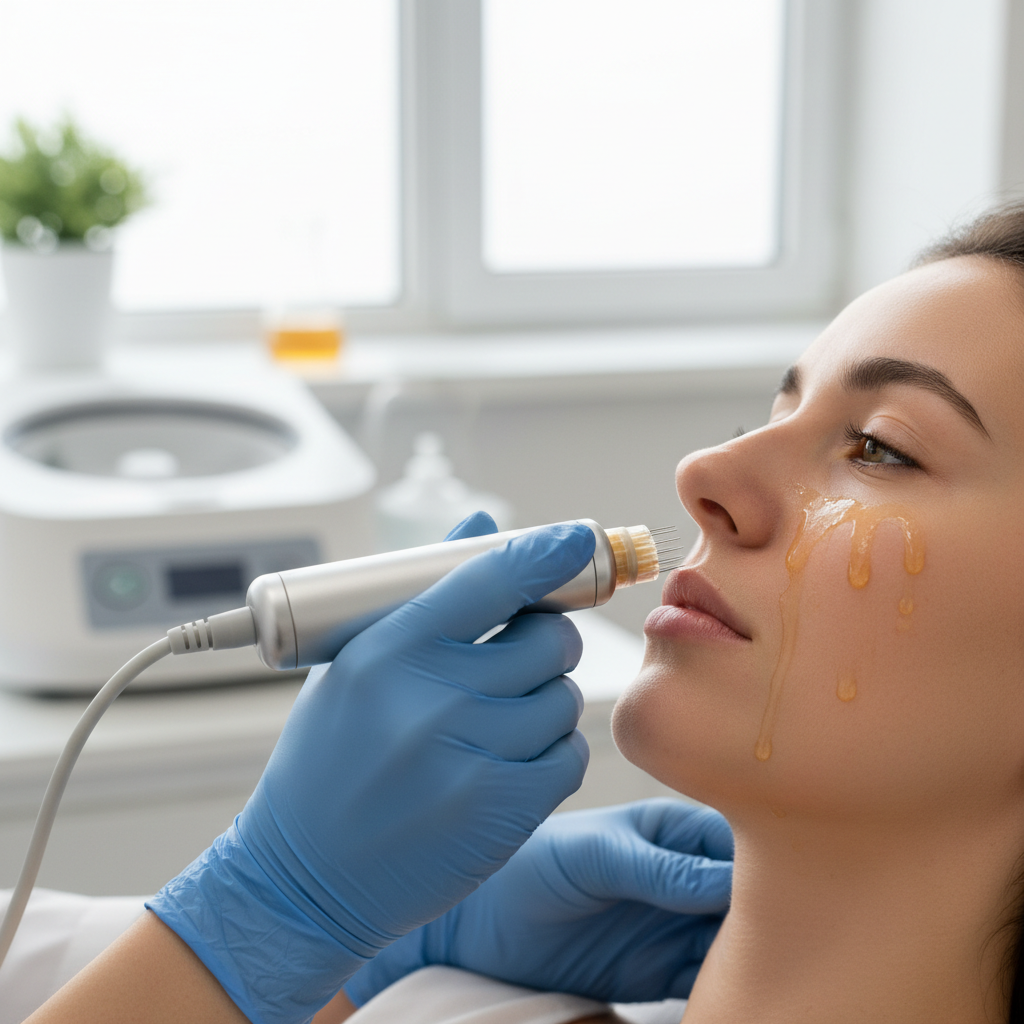
Microneedling is a minimally invasive procedure that uses hundreds of tiny needles to create micro-injuries in the skin. Those micro-injuries kickstart the body’s healing response and stimulate collagen and elastin production. PRP, or platelet-rich plasma, is blood plasma with a higher concentration of platelets than baseline blood. Platelets are loaded with growth factors that help tissue repair and regeneration. Combine the two and you apply growth-factor-rich plasma to skin that has been primed to absorb it.
Why combine microneedling and PRP?
Simple. Microneedling opens micro-channels that let PRP penetrate deeper where it can boost collagen production more efficiently. Think of microneedling as creating pathways, and PRP as the fertilizer that makes new skin tissue grow faster and stronger. From what I’ve seen, the synergy often leads to faster visible improvement than microneedling alone.
How does microneedling with PRP stimulate collagen?
The needling creates controlled micro-trauma. That triggers fibroblasts to make new collagen type I and III, and to remodel existing collagen. PRP adds concentrated growth factors like PDGF, TGF-beta, and VEGF, which amplify cell recruitment and matrix remodeling. The result is thicker dermis, improved skin texture, and reduced fine lines over time.
Top benefits: What this treatment actually improves
- Collagen remodeling – Increased dermal thickness and elasticity (results build over 3-6 months).
- Acne scars – Noticeable softening of rolling and boxcar scars, and often improved overall skin smoothness.
- Wrinkles – Reduced fine lines around the eyes, mouth, and forehead as collagen tightens skin.
- Skin tone and pore size – Pores can appear smaller, and pigmentation often lightens with repeated sessions.
- Natural result – Uses your own blood products, so allergic reactions are rare.
Who is a good candidate?
Good candidates include adults with acne scarring, early to moderate wrinkles, uneven texture, enlarged pores, or mild laxity. People who prefer natural, regenerative approaches and can tolerate brief downtime do well.
Not a good fit if you have active skin infections, uncontrolled diabetes, bleeding disorders, are pregnant, or recently used isotretinoin (Accutane) within the last 6 months. If you have darker skin, microneedling with PRP can still work, but technique and aftercare matter more to avoid pigmentation changes.
What to expect during a session
Step-by-step, here’s the typical flow:
- Brief consultation and medical history review (10-15 minutes).
- Blood draw (usually 10 cc to 20 cc), then centrifuge to separate PRP. Typical platelet concentration is about 3x baseline in many protocols (some labs get 4-5x) — ask your provider what they achieve.
- Topical numbing applied for 20-30 minutes so the procedure is comfortable.
- Microneedling with a pen or device across the face (20-30 minutes). Depth varies by area and concern: 0.5 mm for texture, 1.5-2.5 mm for deep scars.
- Apply PRP to skin immediately after needling, often with gentle massage to enhance penetration.
- Post-treatment cooling and aftercare instructions (15-20 minutes).
How many treatments do you need and how long before you see results?
Most treatment plans are 3 sessions spaced 4-6 weeks apart. I’ve seen clinics recommend 4 sessions for deep scarring. Visible improvement often appears around 4-8 weeks after the first treatment (that’s collagen remodeling starting), and results continue to improve up to 6 months. So be patient. Real change is gradual, not instant — and that’s a good thing.
Does microneedling with PRP help acne scars and wrinkles?
Yes. For acne scars, microneedling with PRP commonly softens scar depth and improves texture. For wrinkles, the collagen and elastin response improves skin firmness and reduces fine lines. Deep static wrinkles might need adjunctive treatments like laser or fillers, but many people see meaningful improvement without those.
Risks and side effects
Side effects are usually mild and short-lived: redness, pinpoint bleeding, swelling, and mild bruising. Downtime is often 24-72 hours depending on needle depth and individual healing. Rare complications include infection, prolonged redness, or hyperpigmentation (more likely with improper aftercare or aggressive settings in darker skin).
Look for clinics that follow strict sterile technique, use disposable needles, and have clear protocols for pre- and post-care. That lowers risk dramatically.
Before and after care (do this to get the best outcome)
- Avoid blood thinners like aspirin and NSAIDs for 3-7 days if medically safe (check with your doctor).
- Avoid heavy sun exposure and tanning for 2 weeks before and after each session.
- Hold retinoids and strong acids for 3-5 days pre-treatment — and for at least 3-5 days afterward while the skin heals.
- Use a gentle cleanser and a broad-spectrum SPF 30+ every day after recovery — sunscreen can’t be skipped.
- Hydrate, sleep well, and avoid strenuous exercise for 24-48 hours post-treatment if you had deeper needling.
Cost and value: what to expect in 2026
In 2026, the price range for microneedling with PRP varies by clinic, device, and geographic market. Typical per-session costs are between $350 and $1,200. Packages for a series of 3, including PRP prep, often bring per-session costs down. Price isn’t everything though — technique, sterile handling, and clinician experience matter more for outcomes. Cheap isn’t always better, and paying a little more for a trusted provider often saves frustration later.
Comparisons: microneedling with PRP vs other options
Microneedling alone vs microneedling + PRP: PRP usually accelerates healing and can amplify collagen response, leading to faster and sometimes superior results.
Microneedling with PRP vs laser resurfacing: Laser can be more aggressive and give faster resurfacing for deep wrinkles, but lasers often mean more downtime and higher risk of pigmentation in darker skin. Microneedling with PRP is versatile, works well across skin tones, and has less downtime.
Microneedling with PRP vs fillers: Fillers give immediate volume correction. Microneedling with PRP remodels skin quality over weeks and months. Often they’re complementary, not exclusive.
How to choose the right clinic or provider
Ask these questions when you call or consult:
- Do you use disposable, single-use needle cartridges?
- What platelet concentration do you aim for in PRP?
- How many sessions do you recommend for my concern?
- Can I see before-and-after photos from patients with similar skin type and concerns?
- What’s your infection control and aftercare protocol?
Trust your gut. If they rush you, pressure-sell packages, or can’t show photos, walk away. You want a provider who listens and tailors the plan to your skin, not a one-size-fits-all pitch.
Realistic expectations and timelines
Expect gradual improvement. Most patients get 20-40 percent improvement after the first series, with continued gains over the next 3-6 months. Some scars shrink dramatically, others soften but don’t disappear completely. Repeat maintenance sessions once or twice a year can extend results. The best outcomes come from combining good technique, consistent aftercare, and realistic expectations.
Common combinations and advanced approaches
Providers often pair microneedling with PRP with other therapies for enhanced results:
- Topical growth factors or peptides post-treatment to support healing.
- Fractional lasers for targeted deeper resurfacing in a staged plan.
- Dermal fillers for volume loss, used after skin quality improves.
- Medical-grade skincare (retinoids, vitamin C) between sessions to accelerate gains.
Safety tips and red flags
Red flags include clinics that reuse needles, promise instant miracles, or want to combine treatments without discussing downtime or risks. Also be wary of PRP prepared in unregulated settings or without clear blood handling protocols. If a provider can’t explain expected platelet concentration, that’s a bad sign.
Final thoughts and what to do next
So here’s the thing about microneedling with PRP: it’s not magic, but it’s powerful when done right. It uses your body’s own repair tools to rebuild collagen, soften scars, and refresh tone. The best results come from realistic expectations, a tailored treatment plan, and careful aftercare.
If this still feels overwhelming, our team can handle the details for you — from PRP prep to a customized needling plan and clear post-care. No pressure, just an honest assessment and a roadmap so you actually see the skin you want.
Frequently Asked Questions
How painful is microneedling with PRP?
Most people find it tolerable because providers use topical numbing for 20-30 minutes before the procedure. You’ll feel pressure and some vibration, sometimes minimal pricking. Pain varies with needle depth and personal tolerance, but severe pain is uncommon.
How long is downtime after treatment?
Typical downtime is 24-72 hours of redness and mild swelling. With deeper settings you can expect redness for up to a week, but makeup usually covers early redness after 48 hours. Avoid heavy exercise and saunas for 48 hours to minimize swelling and irritation.
Can microneedling with PRP cause scarring or pigmentation?
Rarely. Scarring is uncommon when sterile technique and proper depth settings are used. Hyperpigmentation can occur, especially if sun exposure happens soon after treatment or with overly aggressive settings in darker skin tones. Good aftercare and sun protection cut that risk dramatically.
Is PRP safe since it’s from my blood?
Yes, PRP is autologous, meaning it comes from your own blood, so allergic reactions are extremely unlikely. Safety depends on proper blood handling and sterile technique. Make sure the clinic follows standard protocols for centrifugation and storage.
How long do results last?
Results can last a year or longer, depending on your skin, age, sun exposure, and lifestyle. Many people do maintenance sessions once or twice a year to preserve improvements. Collagen continues to remodel for up to 6 months after treatment, so benefits keep evolving.