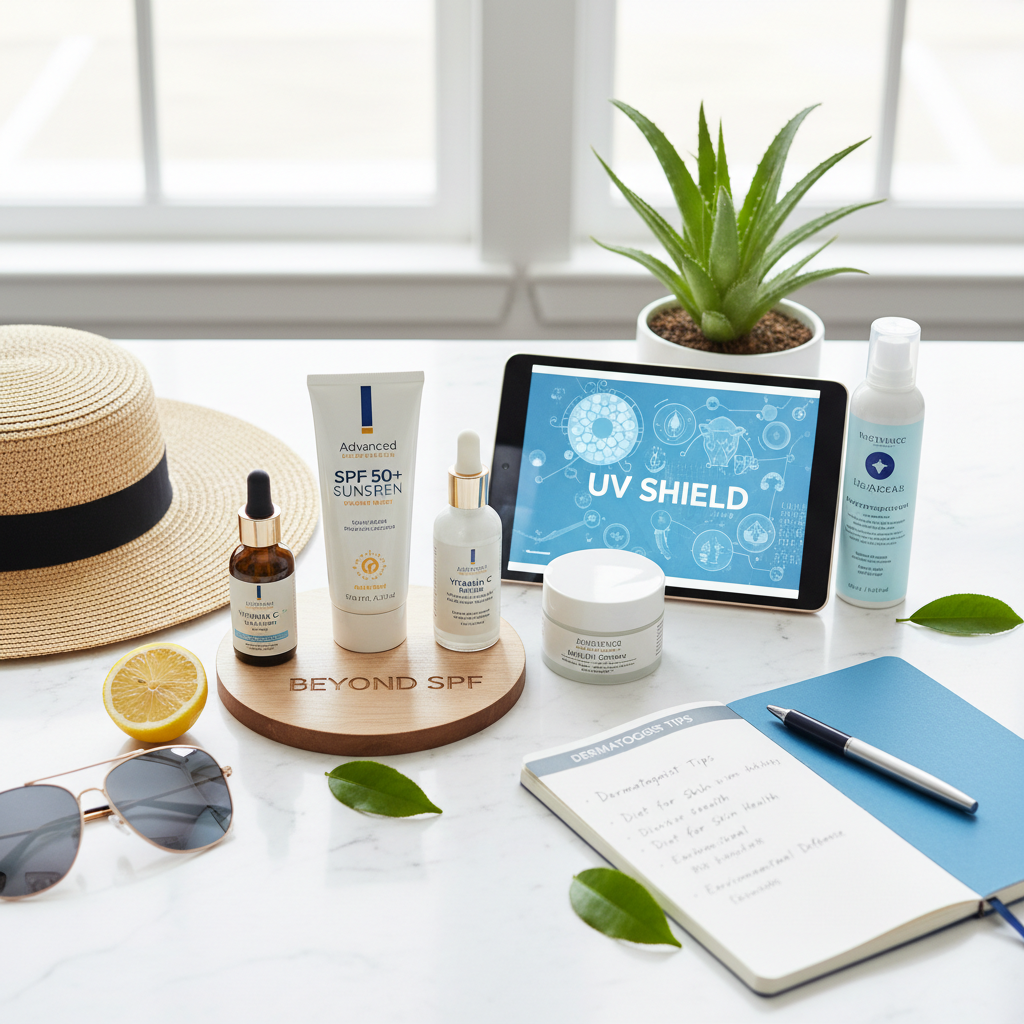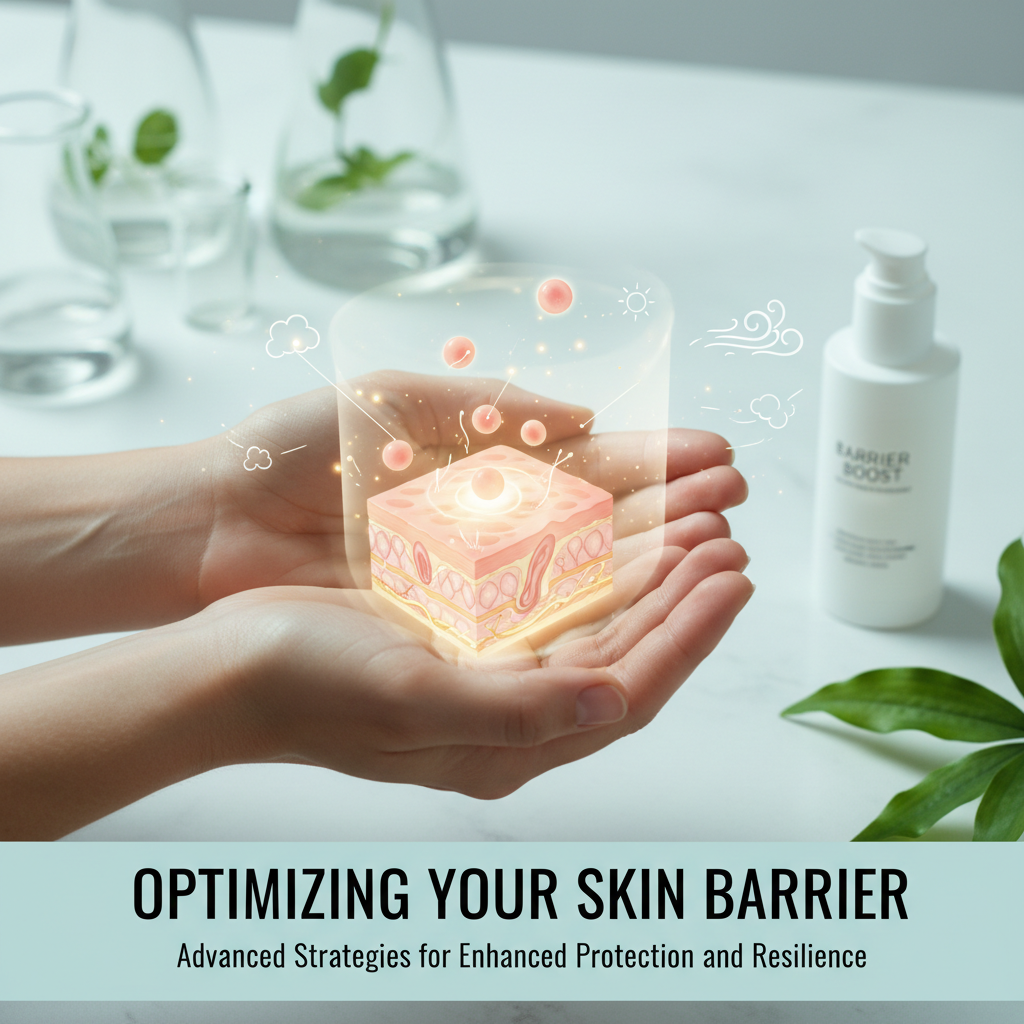
For people with sensitive skin who feel frustrated by constant redness, stinging, or moisture loss, this guide is for you — you want practical steps to stop environmental damage and strengthen your skin barrier. You might be tired of ingredient lists that promise the moon, or of routines that make things worse; our clinic treats thousands of barrier-compromised patients and we focus on evidence-backed fixes you can use today, and if it feels like too much, our team can handle the troubleshooting with targeted testing and prescription-strength options.
What damages the skin barrier?
Short answer: a lot. The skin barrier, that outer layer that keeps moisture in and irritants out, gets hit by several common things every day.
- Over-cleansing and harsh surfactants (SLS, SLES) – they strip natural oils.
- Excessive exfoliation – physical scrubs or daily acid peels can remove protective lipids.
- Low humidity, cold wind, heat from hot showers – they accelerate water loss.
- Environmental damage like UV, pollution, wildfire smoke – they cause oxidative stress and inflammation.
- Certain actives used incorrectly – high concentration retinoids, benzoyl peroxide, or strong vitamin C can irritate.
- Allergic reactions and fragrance – common in sensitive skin.
How can you tell your skin barrier is compromised?
Look for clear signs. Redness and flaking are the obvious ones, but there are subtler clues too.
- Skin stings when you apply water or products (that’s transepidermal water loss showing up).
- Itchiness, tightness, patchy dryness, or increased sensitivity to previously-tolerated products.
- More frequent breakouts or infections (bacteria penetrate more easily).
- Makeup looks chalky or pills – your skin surface texture has changed.
What ingredients actually repair and protect the skin barrier?
Use these first, and use them consistently. Real results need repetition, not miracle serums.
- Ceramides, cholesterol, and fatty acids – the building blocks of the lipid barrier; look for them in the top 5 ingredients.
- Hyaluronic acid (low and high molecular weight) – humectant that draws water into the skin. Use with an occlusive to lock it in.
- Niacinamide 4% – 5% (I’ve seen 4% calm redness reliably) – reduces inflammation, strengthens barrier, reduces TEWL.
- Panthenol (pro-vitamin B5) and glycerin – soothing humectants, good for sensitive skin.
- Colloidal oatmeal and centella asiatica – anti-inflammatory botanical aids.
- Physical sunscreens (zinc oxide, titanium dioxide) – essential for skin protection against UV-driven barrier breakdown.
How to build a daily skincare routine for sensitive skin
Keep it simple. Two to four steps that actually help. Let the skin breathe and repair.
Morning
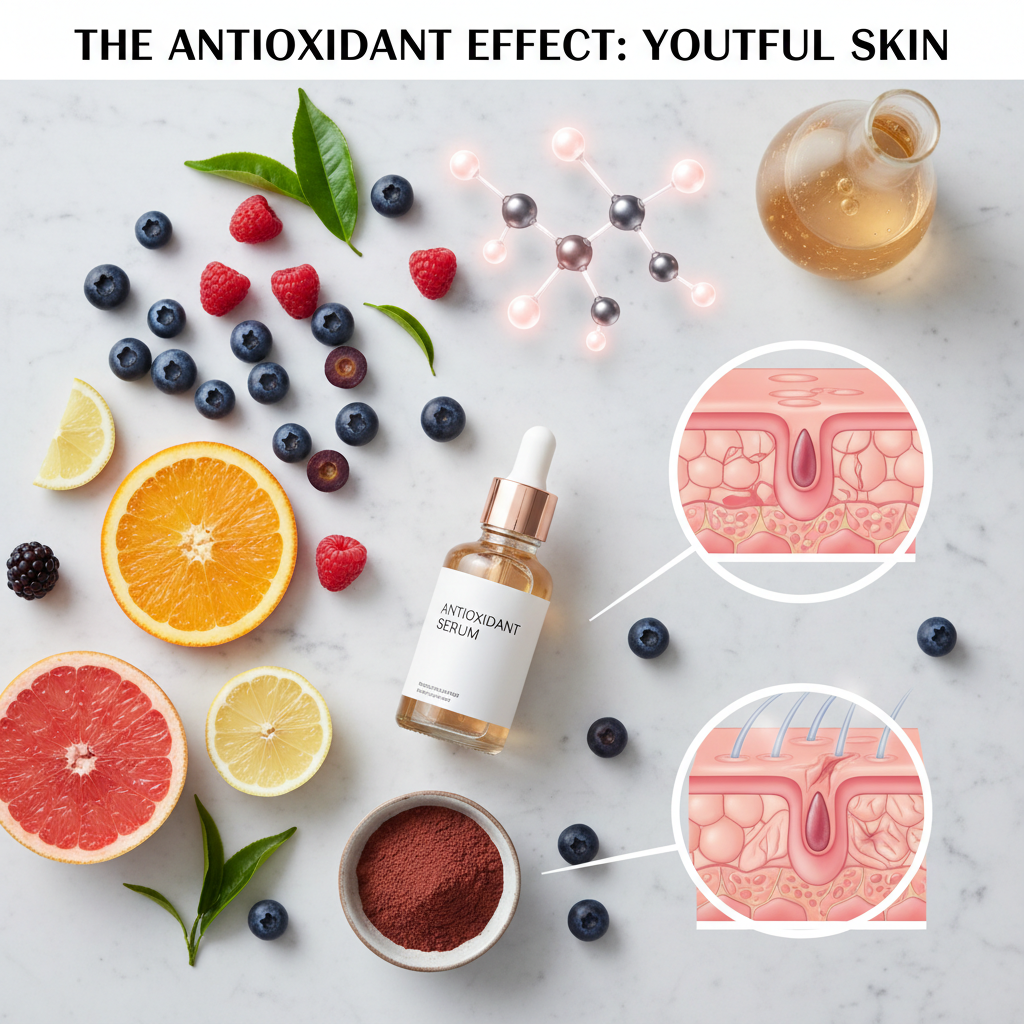
Cleanse gently (cream or balm cleanser), pat dry, apply a hydrating serum with hyaluronic acid or glycerin, follow with a ceramide-rich moisturizer and a broad spectrum SPF 30+ physical or mixed filter. If you live in a high-pollution area, add an antioxidant serum (vitamin C 10% or fermented antioxidant) under sunscreen.
Evening
Double-cleanse only if you wore heavy sunscreen or makeup – otherwise a single gentle cleanse is fine. Use a repair-focused moisturizer with ceramides and niacinamide. If using retinoids, introduce them slowly: once per week for 2 weeks, then twice per week, build up to 3 times a week, and always pair with a moisturizer (buffering helps).
So here’s the thing – less is more early on. Stop using acids, physical exfoliants, or new actives when repairing. Let the basics do the heavy lifting.
How long does it take to repair the skin barrier?
Short answer: noticeable improvement in 2 to 4 weeks, more complete repair in 6 to 12 weeks, depending on damage severity and consistency.
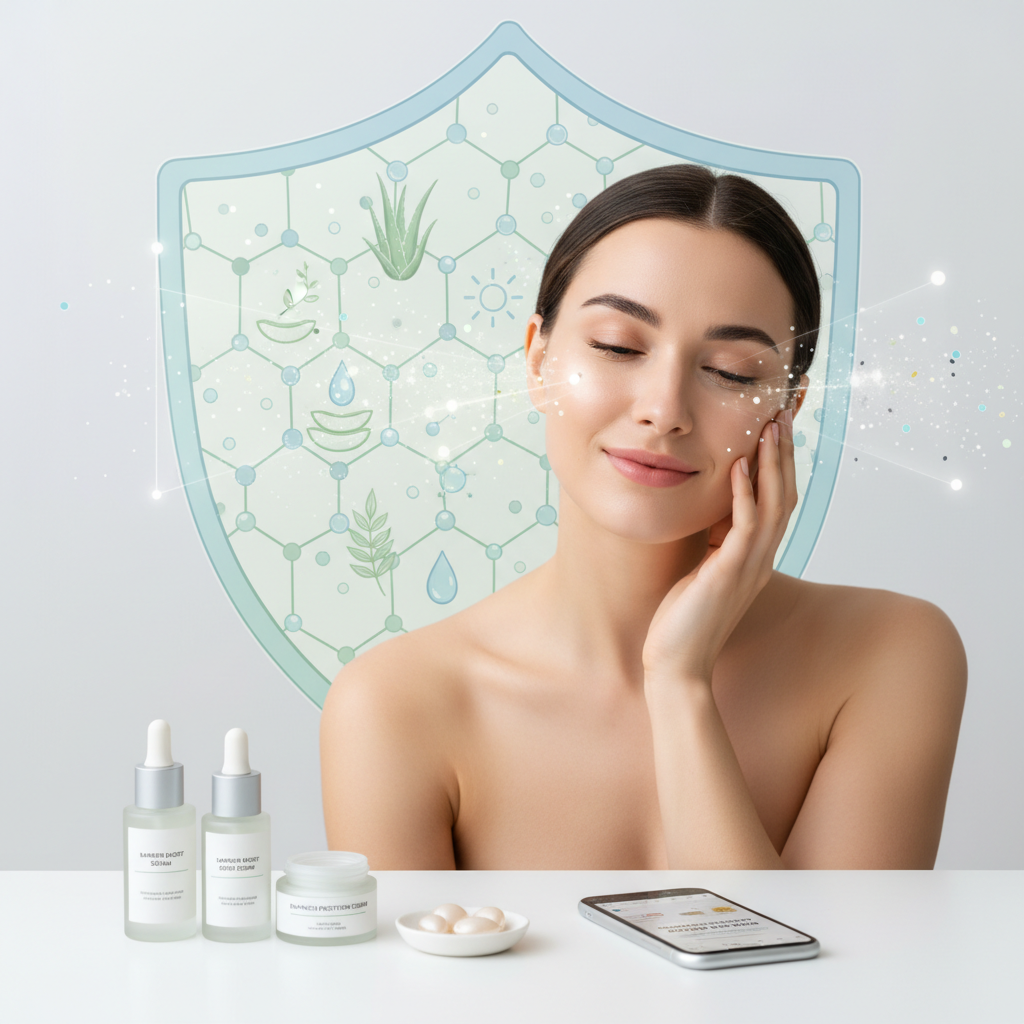
I’ve seen patients get visible calm within 10 days when they go from a harsh routine to a simple ceramide-hyaluronic-SPF protocol, but chronic, repeated damage (like daily over-exfoliation) can take 3 months to normalize. So be patient, and track one change at a time.
Lifestyle and environmental strategies for skin protection
Think beyond cream. Real dermatological health is partly about daily habits.
- Lower shower temperature, cut showers to 5-10 minutes, and use gentle cleansers.
- Use a humidifier during dry months (winter 2026, or if your heating runs constantly).
- Wear broad-spectrum SPF every morning, reapply every 2 hours if outdoors.
- Limit indoor pollution – HEPA filters help, and wash your face after heavy smoke exposure.
- Hydrate with water, prioritize sleep (7 to 8 hours), and reduce alcohol – these all influence barrier repair.
- Consider barrier-protective clothing (wide-brim hats, scarves) during high pollution or wind events.
Product selection and when to see a dermatologist
Choose products that list ceramides, cholesterol, fatty acids, glycerin, or panthenol near the top of the ingredient list. Avoid fragrances, essential oils, and high alcohols if you have sensitive skin. Patch-test a product on the inside forearm for 3 days before applying to the face — simple but effective.
If your skin blisters, weeps, or you get frequent infections, see a dermatologist. Our team offers targeted testing, one-on-one routines and prescription barrier repair creams if OTC options don’t help.
Frequently Asked Questions
Can sensitive skin use retinoids?
Yes, but slowly. Start with a low-concentration retinol and use once weekly, then build frequency (see routine above). Always pair with a moisturizer and use sunscreen daily. If you get persistent stinging, stop and consult a clinician.
Will moisturizing more make my skin dependent?
No. Moisturizing restores lipids and reduces TEWL, which actually helps your skin function better. There’s no evidence that using a moisturizer makes your skin “lazy.” If anything, consistent hydration speeds recovery.
Should I stop exfoliating entirely?
Temporarily yes, until the barrier recovers. Once healed, reintroduce gentle exfoliation (AHA 5% or BHA 1%) no more than twice weekly, and monitor for irritation.
Is skin pH important?
Yes. Healthy skin is slightly acidic (around pH 4.5 to 5.5). Use mild cleansers that maintain acidity; alkaline soaps can disrupt lipids and promote barrier damage.
Can diet help the skin barrier?
It can. A diet with omega-3 fatty acids (fish, flaxseed), antioxidants (berries, green tea), and sufficient protein supports barrier repair. I recommend at least 2 servings of oily fish per week or a clinician-approved supplement if intake is low.
Real talk: consistent, simple care beats chasing trends. Start with a gentle cleanser, a humectant, a ceramide-rich moisturizer, and sunscreen. If you want help building a personalized plan, our team can run a quick assessment and set you up with a targeted, evidence-based routine that fits your life.