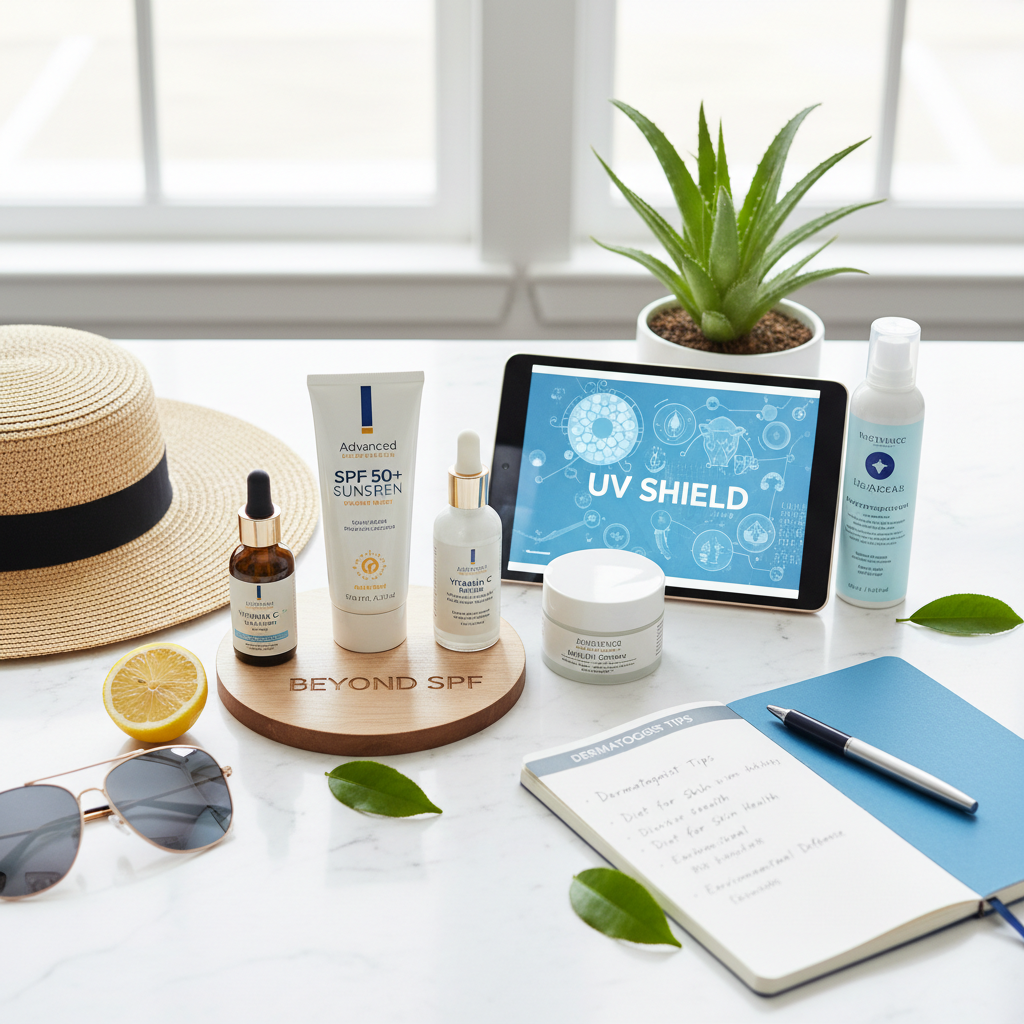
For anyone dealing with flaky cheeks and rough hands this winter — you, if your skin tightens the moment you step outside — the daily battle is real: dry skin, irritation, and that dull, lackluster look that makes you avoid mirrors. You’re frustrated by products that promise hydration but feel greasy, or by routines that take forever and still leave skin thirsty. Our team helps people get reliably glowing skin in cold weather with practical, science-backed hydration strategies you can actually follow (and yes, we can set up a plan if you want us to do the heavy lifting).
Why does winter make my skin so dry?
Cold weather reduces humidity outside, and indoor heating drops humidity inside – both strip moisture from your skin. Wind adds friction, and hot showers remove natural oils. The result: the skin barrier breaks down, water escapes, and you get dryness, irritation, sometimes cracking. It’s basic physics and biology. But it’s fixable.
How do I keep skin hydrated in winter? Practical hydration hacks that work
Short answer: protect the barrier, hold water in, and avoid things that strip oil. Long answer below, with step-by-step how-to’s.
Clean gently – switch soap for a cream or syndet
Harsh foaming cleansers remove lipids that keep skin hydrated. Use a cream cleanser or a syndet (synthetic detergent) labeled “gentle” or “for dry skin.” Look for ingredients like glycerin in the cleanser. And don’t over-wash – twice a day is enough for most folks. For hands, cleanse with lukewarm water and a mild soap – not scalding hot.
Use humectants first, then emollients, then occlusives
This order matters. Apply humectants (like hyaluronic acid or glycerin) on damp skin so they attract water. Follow with a richer moisturizer that contains ceramides or fatty acids to repair the barrier. Seal everything with an occlusive – think petrolatum, shea butter, or a thick balm – especially at night or on exposed areas. Do this within 60 seconds of washing for best results.
Choose the right ingredients for winter hydration
Look for:
– Glycerin or hyaluronic acid (humectants that draw water into the skin)
– Ceramides, cholesterol, fatty acids (barrier repair)
– Niacinamide (calming, reduces water loss)
– Petrolatum, dimethicone, shea butter (occlusives to lock moisture in)
And look out for drying alcohols and strong fragrances – they often make dry skin worse.
Layering is not optional – it’s efficient
So here’s the deal: a serum plus a cream plus an occlusive beats one giant moisturizer almost every time. Layering lets each product do its job without feeling greasy. Basic AM stack: light humectant, sunscreen, light cream if needed. PM stack: richer cream, then occlusive on top of problem areas.
Humidifier: cheap but powerful
Run a humidifier in your bedroom overnight (aim for 40-50% humidity). It helps skin retain water while you sleep. I’ve noticed clients who add a humidifier to their routine report visible changes in 7 days.
Avoid hot showers and aggressive exfoliation
Hot water strips oils. Use warm water, keep showers to 5-10 minutes, and limit chemical or physical exfoliation to once a week if your skin is dry or reactive. If you need exfoliation, prefer gentle acids like lactic acid at low concentration – it hydrates while it exfoliates.
What does a simple winter skincare routine look like? (Quick AM and PM plans)
No one wants a 12-step regimen. Here’s a short, effective plan that keeps skin glowing without drama.
AM routine – quick and protective
1) Cleanse gently. 2) Apply a humectant serum (hyaluronic acid or glycerin) on damp skin. 3) Lock in with a moisturizer containing ceramides or niacinamide. 4) Finish with sunscreen – yes, even in winter. UV and blue light still affect skin and dry it out.
PM routine – repair and seal
1) Cleanse. 2) Apply treatment serums if you use them (retinoids at low frequency if tolerated – start slow). 3) Use a richer cream or balm. 4) Apply an occlusive to the driest areas (lips, hands, heels). Repeat nightly for 2-4 weeks and you’ll notice texture improvement.
What home remedies actually help dry, cracked skin in cold weather?
There are lots of myths. These are the remedies I recommend and use with clients.
Petrolatum or thick balm for cracked areas
Apply a thin layer to hands and lips before bed. Cover hands with cotton gloves if you want faster repair. It keeps moisture in and forms a protective barrier while skin heals.
Oatmeal soaks for inflamed, itchy dryness
A colloidal oatmeal bath soothes itching and supports barrier repair. Soak for 10-15 minutes, pat dry, then moisturize immediately.
Honey as an occasional treatment
Raw honey has antimicrobial and humectant properties. Use it as a 10-15 minute mask on chapped areas when you need gentle healing. Rinse and moisturize afterwards.
Lip care – two-step method
Exfoliate with a soft toothbrush or sugar scrub lightly once a week if flakes present, then apply a thick occlusive balm. Reapply balm before going outside.
Which products or habits make dry skin worse in winter?
Short list so you can stop doing them.
– Long, hot showers. – Alcohol-heavy toners or astringents. – Overuse of active ingredients like high-concentration retinoids or benzoyl peroxide without support from rich moisturizers. – Skipping sunscreen. Yes, it still matters. – Using only lightweight gels if your skin needs lipids and occlusion.
How to get glowing skin in cold weather (beyond just hydration)
Glow is hydration plus gentle exfoliation plus color. Here’s how to boost radiance without stripping skin.
– Keep hydration consistent: daily layering as above. – Use a gentle chemical exfoliant (5-10% lactic acid) once a week to remove dull surface cells and to increase moisture-binding. – Add antioxidant serum (vitamin C) in the AM to brighten and protect. – Consider professional treatments like gentle chemical peels or hydrating facials if home care stalls. The best part is – when the barrier is fixed, other treatments work better and last longer.
When should I see a dermatologist?
If your dryness comes with severe redness, cracks that bleed, intense itch that wakes you up, or signs of infection, see a clinician. Also consult a dermatologist if over-the-counter fixes haven’t helped after 2-4 weeks. Persistent winter eczema or dermatitis often needs prescription-strength barrier repair or anti-inflammatory treatment.
Quick checklist – winter hydration remedies to try this week
– Switch to a cream or syndet cleanser. – Add a humectant serum and a ceramide-rich moisturizer. – Seal with an occlusive at night. – Use a humidifier in your bedroom. – Cut shower time and lower temperature. – Protect hands, lips, and face with barrier creams before heading out.
If this feels overwhelming, our team can make a custom winter skincare plan for you, including product suggestions and a step-by-step routine (we also manage follow-ups so you don’t have to guess if something isn’t working).
FAQ
Will hyaluronic acid dry my skin out in winter?
No, hyaluronic acid itself is a humectant and draws moisture into the skin. But if you apply it to completely dry skin in a very dry environment, it can pull water from deeper layers and make you feel drier. So apply HA on damp skin and follow with a moisturizer and occlusive to lock that water in.
Can I keep using retinol in winter?
Yes, but slow down if your skin is flaring. Start with once or twice a week, pair with a rich moisturizer and occlusive, and avoid combining with aggressive exfoliation. If irritation persists, pause and consult a dermatologist.
Is sunscreen necessary in cold weather?
Absolutely. UV rays reflect off snow and penetrate clouds. Sunscreen protects against DNA damage and prevents inflammatory drying that makes skin less radiant over time. Use at least SPF 30 every day on exposed skin.
Which is better for winter: oil or cream?
Both have roles. Creams with ceramides rebuild the barrier. Facial oils add lipids and can boost the cream’s effect. Use a cream as your core moisturizer and add a few drops of oil if you need extra richness, especially at night.
How long until I see improvement?
Many people notice softer skin within 3-7 days of starting a consistent hydration-focused routine, with significant improvement in 2-4 weeks. If you don’t see change after a month, reassess ingredients or get clinical advice.