This is for people who work or play outdoors, parents watching their kids at the pool, and anyone who looks in the mirror and worries about premature lines, brown spots, or worse—skin cancer. You’re frustrated by conflicting advice, can’t tell which products actually help, and you’re worried that every sunny day is silently aging your skin. Our dermatology team can help cut through the noise: we translate the science of UV damage into practical sun protection and skin health plans (and if you want, we can manage the whole follow-up—screenings, treatments, the lot—so you don’t have to).
What exactly is UV damage?
UV damage is the harm ultraviolet light does to your skin—it’s not just sunburn. There are two main culprits: UVA and UVB. UVA penetrates deep into the dermis, breaks down collagen and elastin, and drives photoaging (the leathery, wrinkled look). UVB hits the upper layers and is the main cause of sunburn and direct DNA mutations that can lead to skin cancer. Both cause oxidative stress (free radicals) that ages skin faster than time alone.
Look: it’s like choosing between a Ferrari and a bicycle—both get you somewhere, but they do different kinds of damage. Both UVA and UVB raise the odds of skin cancer, and both accelerate visible aging.
How does UV exposure cause long-term skin health problems and aging?
UV light damages cell DNA directly and indirectly. Directly, UV photons break DNA bonds and create mutations. Indirectly, UV creates reactive oxygen species (free radicals) that destroy proteins and lipids. Over time, that means:
– Collagen breakdown and fewer intact elastin fibers (wrinkles, sagging).
– Abnormal pigmentation (sunspots, uneven tone).
– Thinning or thickening of skin in different layers (a mottled, rough texture).
– Actinic keratoses—crusty, precancerous patches.
– Increased risk for basal cell carcinoma, squamous cell carcinoma, and melanoma.
From what I’ve seen in clinics, patients who skimped on protection in their 20s show more advanced damage by their 40s—that’s the sneaky part. The damage accumulates silently.
What are the visible signs of chronic UV damage?
Spotting damage early matters. Watch for:
– Persistent brown patches or “age spots.”
– Fine lines that appear earlier than peers.
– Rough, scaly patches (actinic keratoses).
– Dilated surface blood vessels and a red, blotchy complexion.
– Moles that change in size, color, shape, or start bleeding—pay attention.
Those signs don’t always hurt—often they just look “off.” So, self-observation plus professional checks are key.
How effective is sun protection at preventing UV damage?
Very effective—when used properly. Sunscreen with SPF 30 blocks about 97% of UVB; SPF 50 gets you to about 98%. That extra 1% sounds small but it matters for high exposure situations. But sunscreen alone isn’t enough. Effective sun protection is a system: clothing, hats, shade, timing, sunglasses, and sunscreen together reduce cumulative exposure dramatically.
Practical rules that actually work: apply a broad-spectrum sunscreen (UVA+UVB) 15 minutes before going outside, use SPF 30 or higher, and reapply every 2 hours—or immediately after swimming or heavy sweating (if your sunscreen is labeled water-resistant, follow the 40-minute or 80-minute guidance on the bottle). And yes, even on cloudy days you get UV—clouds only cut some UV, not all.
How to build a daily routine for skin health and anti-aging
Start simple. A consistent daily regimen beats a once-in-a-while miracle product.
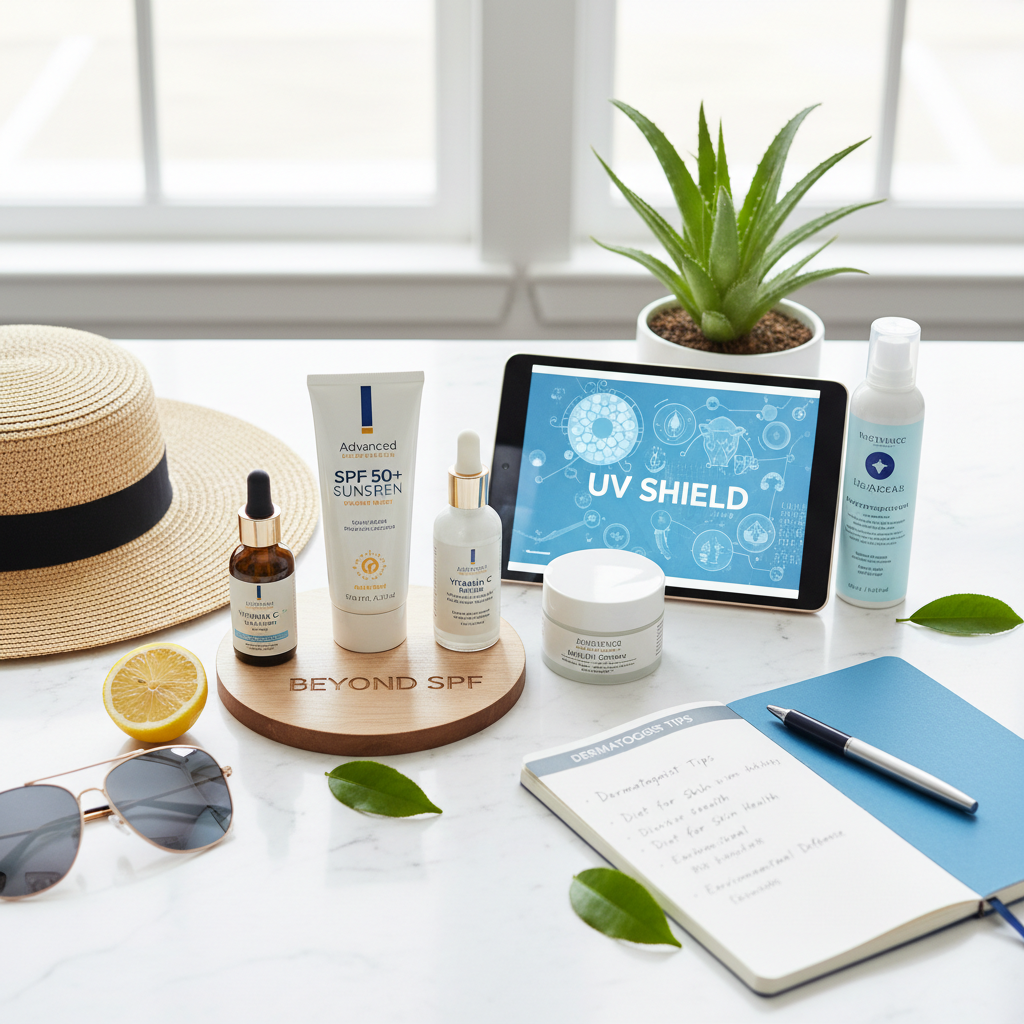
Morning: cleanse gently, apply a vitamin C serum (antioxidant), then a broad-spectrum sunscreen SPF 30+—and sunglasses and a wide-brim hat if you’ll be outside.
Evenings: use a retinoid (prescription or over-the-counter retinol) to boost collagen remodeling and speed cell turnover—this is the workhorse for anti-aging and reversing photodamage. Pair it with a moisturizing, barrier-restoring cream so skin doesn’t dry out.
Weekly or monthly: exfoliation (chemical exfoliants like AHA/BHA can help blotchy texture), occasional professional treatments—chemical peels, microneedling, or fractional lasers—can significantly reduce pigment and improve collagen. But these should be done by trained pros, and you must maintain strict sun protection after any procedure.
What role do antioxidants and topical actives play?
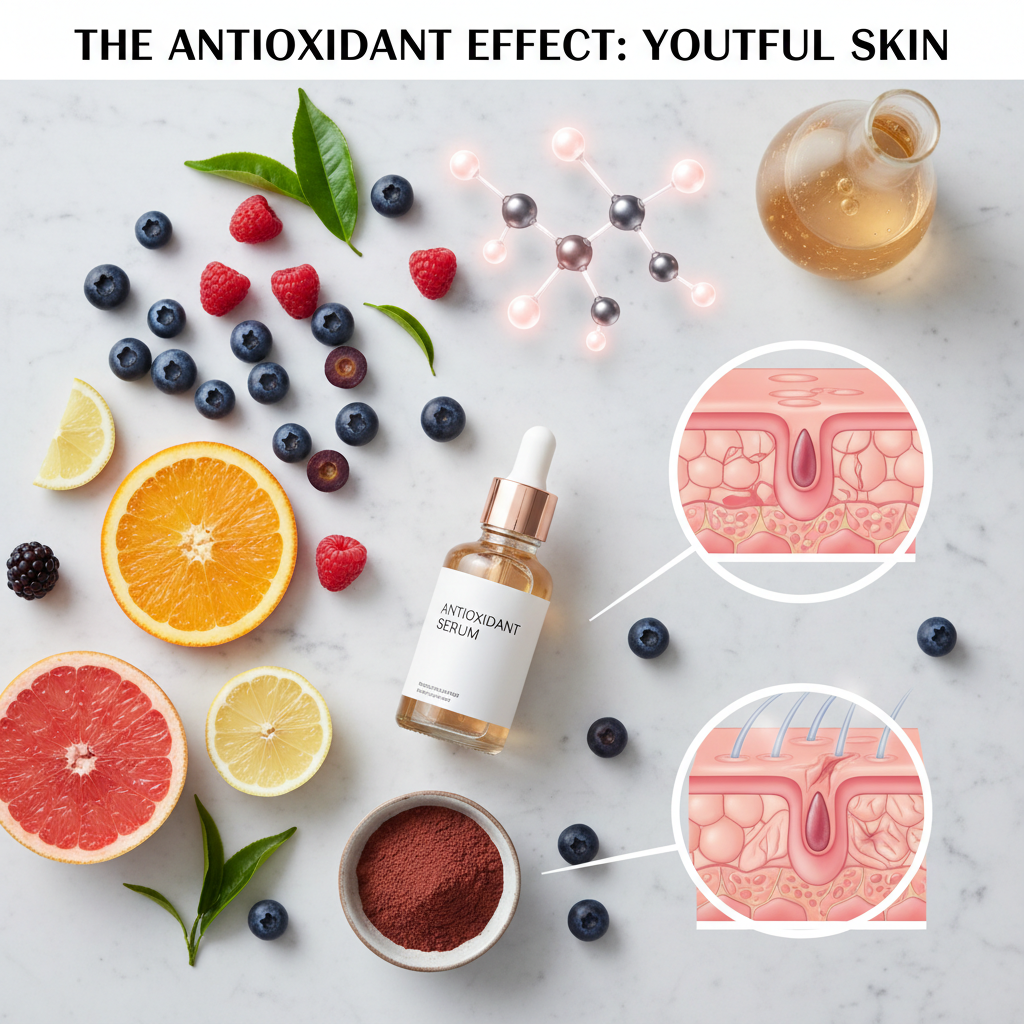
Antioxidants (like vitamin C, niacinamide) neutralize free radicals, reducing ongoing oxidative damage. Retinoids stimulate collagen and repair photoaging. Together, they form a solid non-invasive approach to reduce fine lines and hyperpigmentation. From what I’ve seen, a regimen that combines these with daily sunscreen yields visible improvements in 12 to 24 weeks.
How does sun protection reduce skin cancer risk?
Reducing cumulative UV exposure lowers mutation burden in skin cells—less mutations, lower chance a cell will become cancerous. Regular sunscreen use and avoiding intentional tanning are associated with significant decreases in precancerous lesions and non-melanoma skin cancers. Screening matters too: catching abnormal lesions early means simpler, less invasive treatments and better outcomes.
What practical steps cut UV exposure without changing your life
Simple, repeatable habits beat heroic one-offs. Try this checklist:
– Apply SPF 30+ broad-spectrum sunscreen every morning, and reapply every 2 hours if you’re outside.
– Wear sun-protective clothing: long sleeves, UPF-rated fabrics, broad-brim hats.
– Use sunglasses that block 100% UVA/UVB to protect the eyelids and prevent cataracts.
– Check the UV Index app; aim to limit unprotected outdoor time when it’s over 6.
– Avoid tanning beds entirely—just don’t. They raise melanoma risk and accelerate aging.
– Schedule a skin check with a clinician yearly (more often if you have many moles or a history of skin cancer).
Common myths about UV and sun safety—debunked
Myth: “I don’t need sunscreen on cloudy days.” False—up to 80% of UV rays can pass through clouds.
Myth: “If I have dark skin I don’t need protection.” No—darker skin has lower melanoma rates but still gets photoaging and can develop skin cancer; sun protection still matters.
Myth: “Tanned skin is healthy skin.” Tanning is a sign of DNA damage—it’s your skin signaling harm.
When should you see a dermatologist?
See a pro if you have a changing mole, a spot that won’t heal, or multiple new lesions appearing. Also, book a skin exam if you have a personal or family history of skin cancer, or if you’ve used tanning beds. If this feels overwhelming, our team can handle the screening and follow-up for you—photo documentation, full-body exams, and a management plan tailored to your lifestyle (so you can still enjoy outdoor weekends without compromised skin health).
How to monitor progress and measure success
Short term: fewer new sunburns, more even skin tone, less roughness.
Medium term (3–12 months): reduction in fine lines, fading of some sunspots, improved skin texture.
Long term: fewer precancerous lesions, stable or reduced risk of skin cancer, and preserved skin elasticity compared to unprotected peers.
Documenting with photos (same lighting, same angles) every 3 months helps you and your clinician see real changes—trust me, it’s motivating.
Quick takeaways—what to do right now
Apply SPF 30+ daily. Wear a hat and sunglasses. Avoid peak sun (10am–4pm when possible). Skip tanning beds. Consider a vitamin C in the morning and a retinoid at night to treat existing damage. And get a baseline skin check.
FAQ
Does sunscreen stop your body from making vitamin D?
Sunscreen reduces UVB exposure which can lower vitamin D synthesis, but in real life most people still get enough vitamin D through incidental sun exposure, diet, and supplements. If you’re worried, check a blood level with your clinician rather than risking UV damage to boost vitamin D.
Can you reverse sun damage completely?
You can’t undo every cellular mutation, but you can significantly improve appearance and reduce future risk. Retinoids, antioxidants, and in-office procedures (lasers, peels, microneedling) can reverse many visible signs and restore collagen. Preventing new damage is essential—repair plus protection is the strategy.
Is SPF 50 worth it over SPF 30?
SPF 50 provides slightly more theoretical protection (about 98% vs 97% for SPF 30). For most people SPF 30 is adequate if applied correctly and combined with other measures. Use SPF 50 if you have a history of skin cancer, are immunosuppressed, or will be in extreme sun for long periods.
How often should I get a professional skin check?
At minimum once a year for most adults. If you have many moles, a personal/family history of skin cancer, or immunosuppression, your clinician may recommend every 3–6 months. Early detection changes outcomes—so don’t skip exams.
Are tanning beds worse than natural sun?
Yes—tanning beds emit concentrated UVA and UVB and are linked to higher melanoma and non-melanoma skin cancer risks, especially with early-life use. They also accelerate aging. Avoid them the way you’d avoid smoking—seriously.
Want help translating this into a plan that fits your schedule and skin type? Our team can create a personalized skin health and sun protection strategy—screenings, product recommendations, and treatment timelines—so you get protection that actually works, not just promises.