For adults and skincare seekers curious about non-invasive anti-aging options (you: juggling work, family, and the ever-growing wrinkle list), the confusion about red light therapy — what actually works, what’s safe, and whether it’s worth the investment — is real. Many people worry about exaggerated claims, unclear protocols, or wasting money on gadgets that do nothing. Our clinic helps by translating the science into a clear, personalized plan (we’ll assess skin type, medications, and goals), so you can get measurable skin rejuvenation without the guesswork.
What is red light therapy and how does it work?
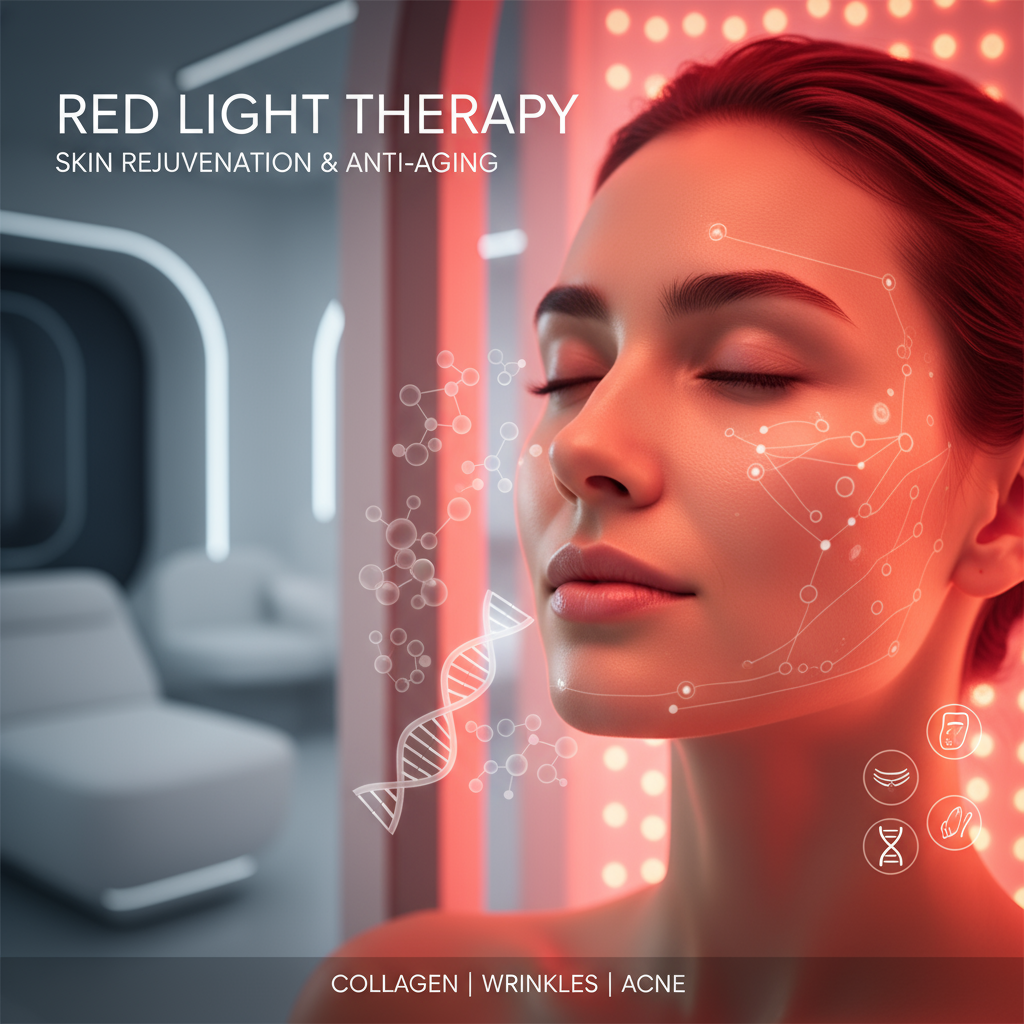
Red light therapy (RLT) uses low-level wavelengths of red and near-infrared light to stimulate cellular processes in the skin. That’s the short story. The longer story: photons are absorbed by mitochondrial chromophores (mainly cytochrome c oxidase), which boosts ATP production — the cell’s energy currency — and reduces oxidative stress. The result: increased fibroblast activity, more collagen and elastin production, and improved circulation (so nutrients and immune cells reach the area faster).
So. Why does that help your skin? Because collagen is the scaffolding that keeps skin firm. When fibroblasts make more collagen, fine lines soften, texture improves, and overall skin health gets a lift.
Key wavelengths used
Wavelengths matter (they’re not all the same). Clinically effective RLT typically uses:
- Red light: 630–660 nm — targets superficial skin layers (epidermis and upper dermis).
- Near-infrared: 800–850 nm — penetrates deeper into the dermis, helpful for collagen stimulation and deeper tissue repair.
Many effective protocols blend both wavelengths — think of it like using two tools, one for surface and one for depth.
Can red light therapy reduce wrinkles and boost collagen?
Short answer: yes, evidence supports modest but meaningful improvements in collagen and fine lines when done correctly. Multiple clinical studies show increased collagen density, thicker dermal layers, and measurable wrinkle reduction after consistent treatment.
Expectations should be realistic: RLT won’t erase deep creases like a facelift, but it often softens fine lines and improves skin tone. In my experience working with patients, most notice texture and brightness changes before dramatic wrinkle reduction — the “glow” comes first, the structural changes follow.
Typical results timeline
- 2–4 weeks: improved redness, reduced inflammation, fewer acne flares (for acne-prone skin).
- 6–8 weeks: early changes in skin texture and firmness.
- 12 weeks and beyond: more noticeable collagen-related improvements and smoother fine lines.
So yeah, patience matters — collagen remodeling takes time (real talk: it’s like planting a tree and waiting for shade).
Is red light therapy effective for acne?
Yes, RLT can help acne, especially when combined with blue light for antimicrobial effects. Red/near-infrared light reduces inflammation, calms sebaceous glands, and supports skin repair. It doesn’t necessarily replace topical or systemic therapies (like benzoyl peroxide or antibiotics) for severe cystic acne, but it’s a useful adjunct.
I’ve seen patients with persistent inflammatory acne get fewer breakouts after consistent sessions — probably because inflammation is dialed down and healing speeds up.
How often should you do red light therapy and what does a session look like?
Protocol depends on device power, wavelength, and the issue you’re treating. Common, practical guidelines are:
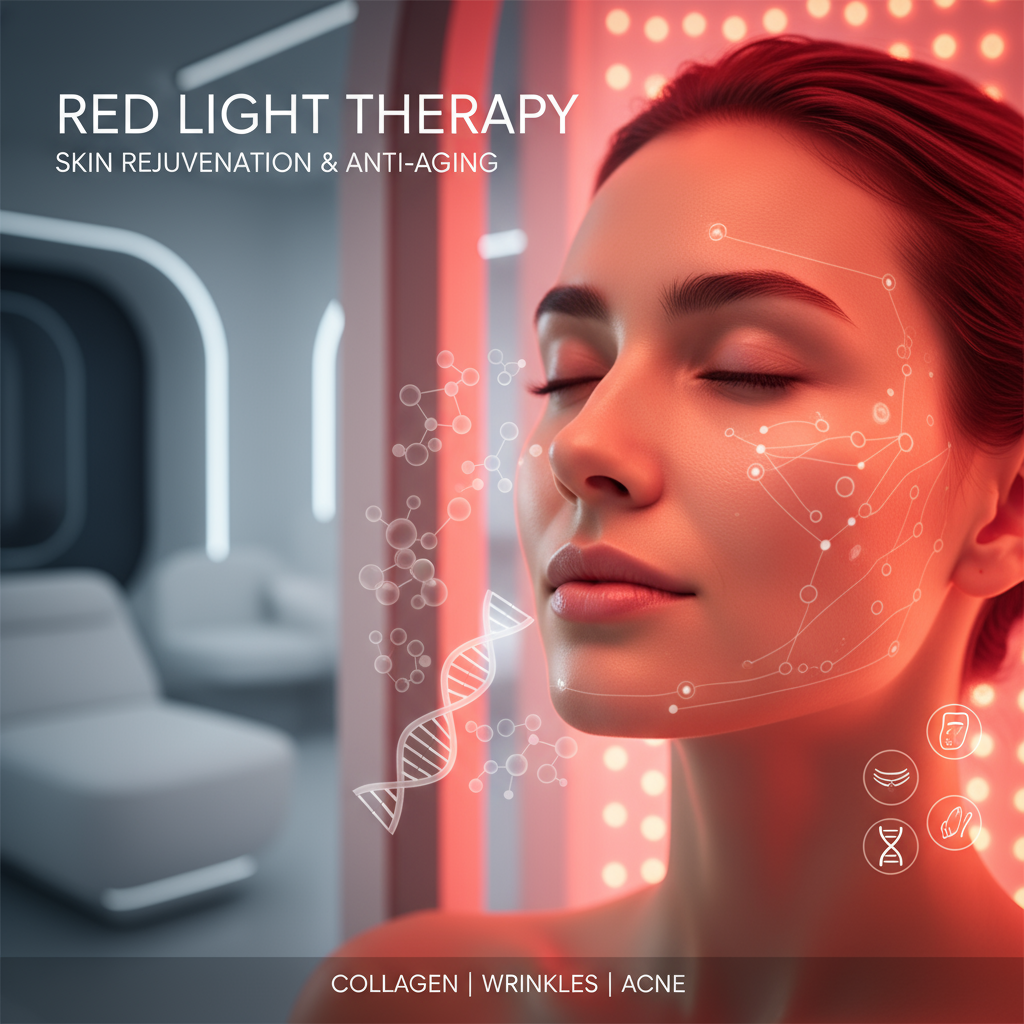
- Frequency: 2 times per week for maintenance; 3–5 times per week during an intensive 8–12 week course (for anti-aging or acne improvement).
- Session length: 10–20 minutes per area (face typically needs 10–15 minutes with a consumer device; professional panels may require shorter times due to higher irradiance).
- Distance: follow device instructions — often 6–12 inches for panels, contact for LED masks designed for the face.
Why the range? Devices vary in output (irradiance) — higher-power professional units deliver the same dose faster. Think of it like watering a plant: high-pressure hose vs. watering can — same water, different time.
Energy dose (fluence) — a practical note
Clinics often aim for target energy doses measured in joules/cm², but you don’t need to be an engineer. If you’re using a reputable at-home device, follow manufacturer guidance and keep consistent timing and frequency. If you’re in a clinic, they’ll calculate the ideal dose for you (and avoid guesswork).
Is red light therapy safe? What are the risks and side effects?
Mostly safe when used properly. Side effects are uncommon and generally mild: temporary redness, tightness, or a warm sensation. Rarely, people report mild flare-ups of rosacea — so test a small area first if you have sensitive skin.
Important safety considerations:
- Eye protection: use goggles if the device suggests it (avoid staring directly at high-intensity LEDs).
- Photosensitizing medications: certain drugs (some antibiotics like doxycycline, isotretinoin, and herbal supplements) can increase sensitivity — check with your dermatologist or prescriber before starting.
- Active cancers and suspicious skin lesions: consult your oncologist or dermatologist — most clinicians avoid treating over active cancer sites.
- Pregnancy: limited data — many providers recommend caution and consultation.
Look, safety is mostly common-sense: follow device instructions, don’t overdo it, and disclose medications to your provider.
At-home devices vs professional treatments — which is better?
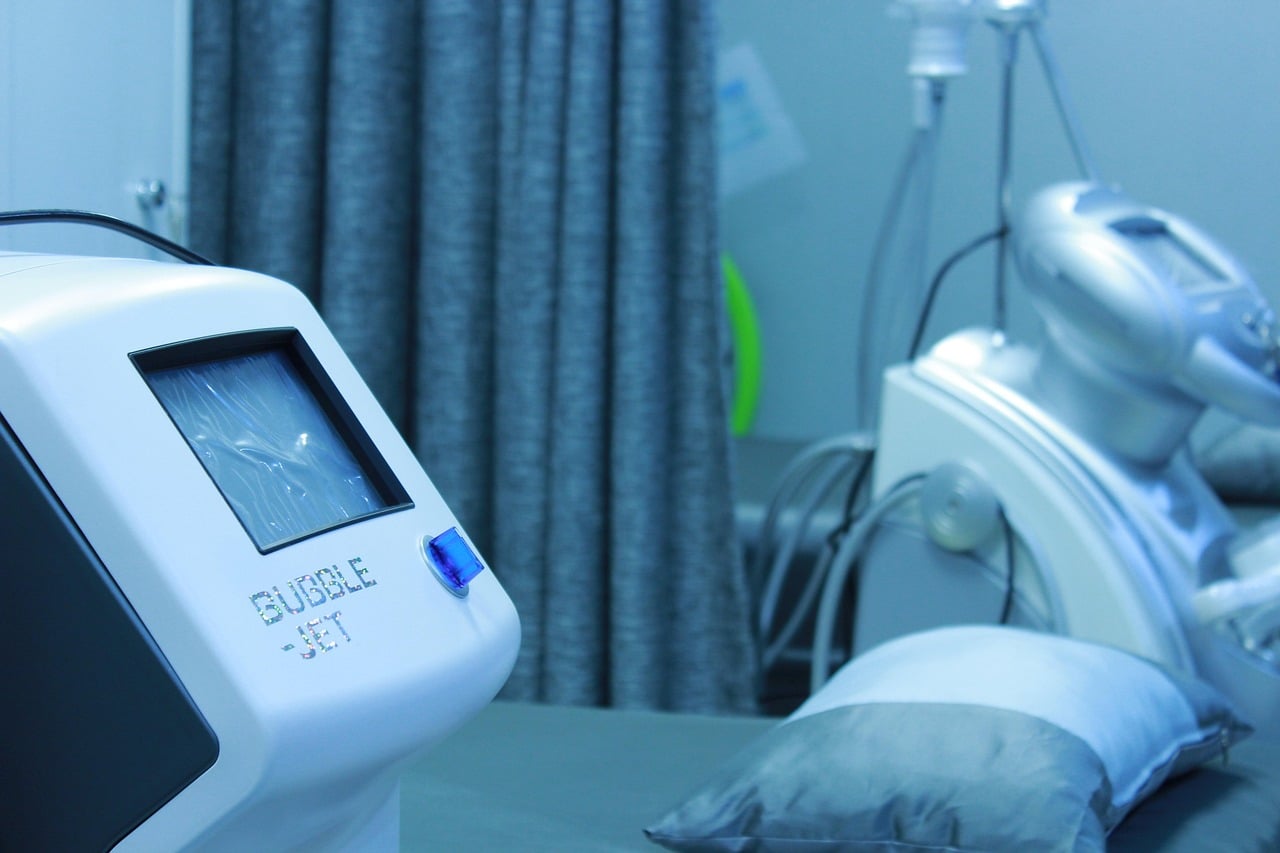
Both have roles. At-home devices are convenient and cost-effective for maintenance. Professional clinics use higher-output panels, medical-grade masks, or combination therapies (RLT plus microneedling, PRP, or chemical peels) for faster, more pronounced results.
If you want gradual improvements and low cost, start with a reputable at-home device (medical-grade if possible). If you want faster or deeper results, or you have complex concerns, a clinical protocol is worth it.
How to pick an at-home device
- Wavelengths: confirmed red (630–660 nm) and/or near-infrared (800–850 nm).
- Manufacturer transparency: looks for published specs (irradiance, wavelength) and third-party testing.
- Design: masks and panels are common — masks are easier for the face; panels offer broader coverage.
- Safety features: automatic timers, recommended distances, goggles if needed.
There are cheaper gadgets that basically do nothing (I’ve tried a few). Don’t buy solely on price — check specs and reviews (with photos). It’s like choosing between a Ferrari and a bicycle; you’ll get different speeds and results.
What to expect during a red light therapy session at a clinic
Most clinical sessions are simple and quick:
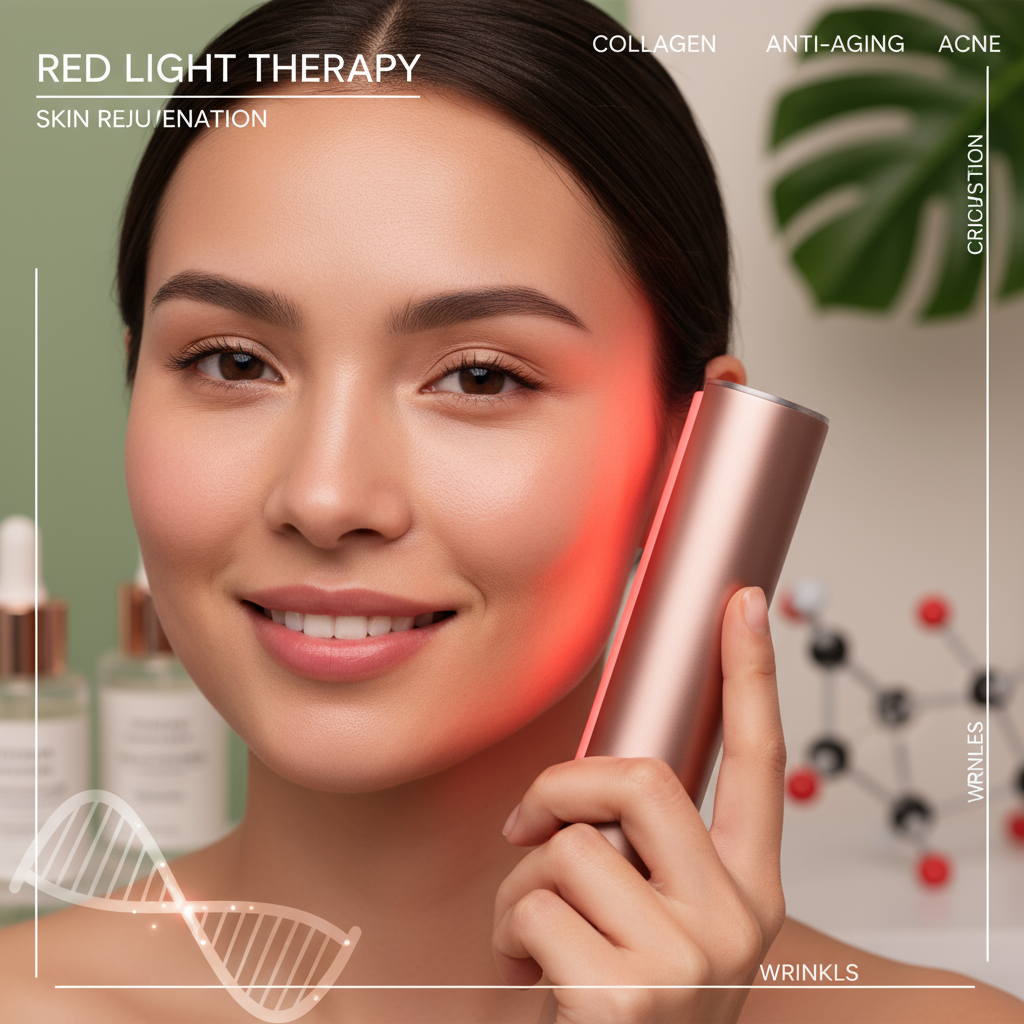
- Skin cleansing (remove makeup and sunscreen).
- Positioning under a panel or wearing a mask — relax, read, or nap (some clinics play music or provide guided breathing).
- Session duration: often 10–20 minutes, repeated per treatment plan.
- Post-session: most people resume normal activities immediately (no downtime).
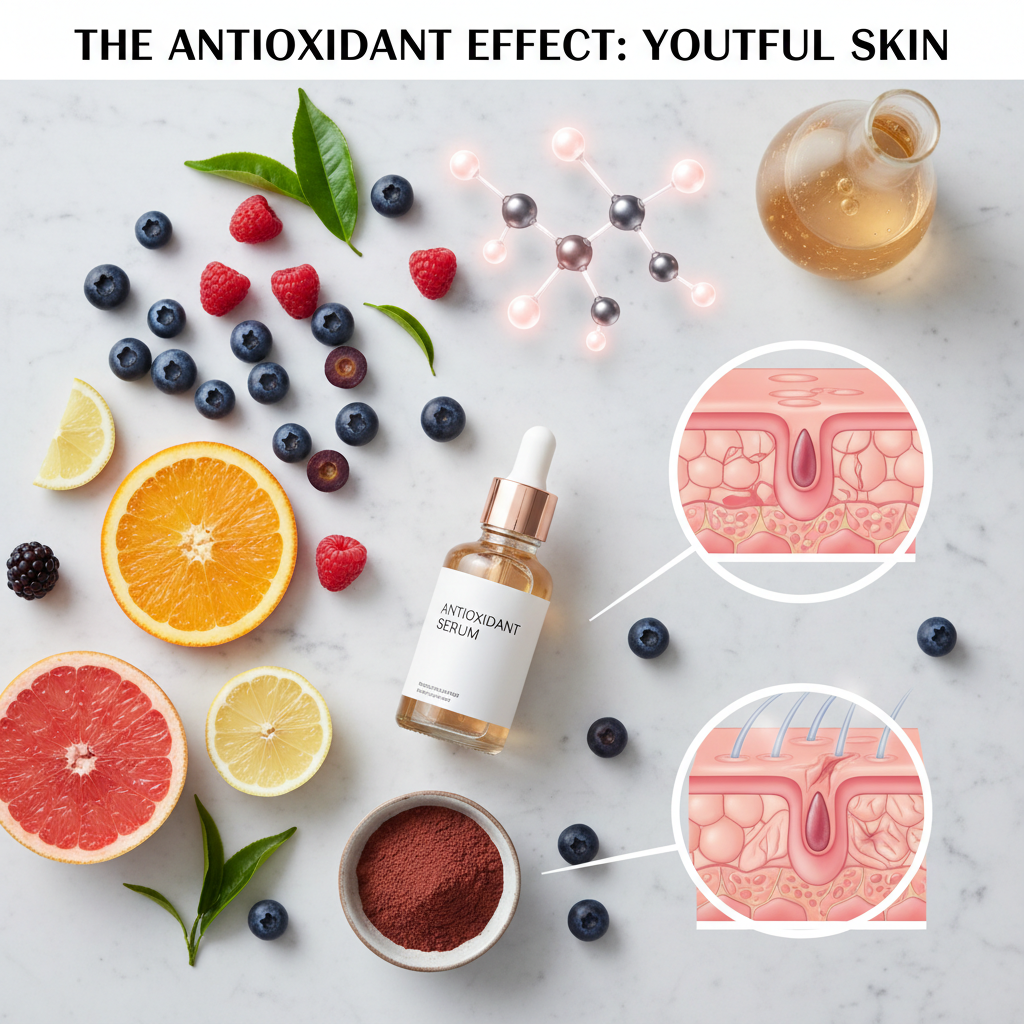
And yes — you can often combine RLT with topical antioxidants afterwards (vitamin C serums, peptides) to amplify benefits.
Who should NOT use red light therapy?
Avoid or consult before starting if you:
- Are on photosensitizing medications (talk to your prescriber).
- Have an active untreated skin cancer or suspicious lesion in the area.
- Are unsure about a skin condition — get a dermatologist check.
- Are pregnant — consult your OB/GYN or dermatologist.
There’s a lot of gray — so when in doubt, ask a professional. Our team can screen your history and recommend a safe plan (no pressure, just guidance).
How to get the best results: practical tips
- Consistency: treat regularly (most improvement comes after cumulative sessions).
- Combine smartly: pair RLT with proven topical therapies — sunscreen daily, antioxidants (vitamin C), and peptides help maintain gains.
- Avoid overuse: more isn’t always better — follow recommended session times.
- Track progress: take photos under the same lighting every 2–4 weeks (you’ll see subtle changes you might miss day-to-day).
- Hydrate and sleep: tissue repair happens best when your body has what it needs (sleep, hydration, nutrients).
Common questions people ask (People Also Ask)
Does red light therapy really increase collagen?
Yes — studies and clinical experience show that RLT stimulates fibroblasts and collagen synthesis. The increases aren’t instant or massive like surgery, but they’re real and measurable over weeks to months.
How long until I see results for wrinkles?
Most people notice improved skin tone and reduced redness within 2–4 weeks; wrinkle and collagen changes usually take 8–12 weeks of consistent treatment. Patience — this is a slow, steady remodel, not a quick fix.
Are LED masks worth it?
Good masks are worth it if they deliver the right wavelengths and irradiance. Cheap masks can be ineffective. If you’re buying one, check specs, warranty, and user reviews (before-and-after photos help). Masks are great for convenience — you can watch a show and do a session — but they’re not a magic wand.
Can I use red light therapy every day?
You can, but it’s not usually necessary. Many protocols use 3–5 times per week during an intensive phase, then drop to 2 times per week for maintenance. Daily use won’t necessarily speed up results and can be overkill.
Bottom line — is red light therapy right for you?
If you want a low-risk, non-invasive way to improve skin health, reduce inflammation, and support collagen production, red light therapy is a solid option. It’s not miraculous, but it’s backed by real biology and clinical studies, and when used properly it delivers gradual, cumulative improvements.
If you’re unsure where to start, a simple plan is: choose a vetted device (or a clinic), commit to 8–12 weeks of consistent sessions, protect your skin with sunscreen, and document changes. And if this feels overwhelming, our team can design a personalized protocol and monitor your progress — we’ll handle the technical stuff so you can focus on results (no gimmicks, just evidence-based care).
Want help picking a device or building a treatment plan? Ask us about a quick screening — we’ll look at your meds, skin type, and goals, and tell you exactly what to do next.