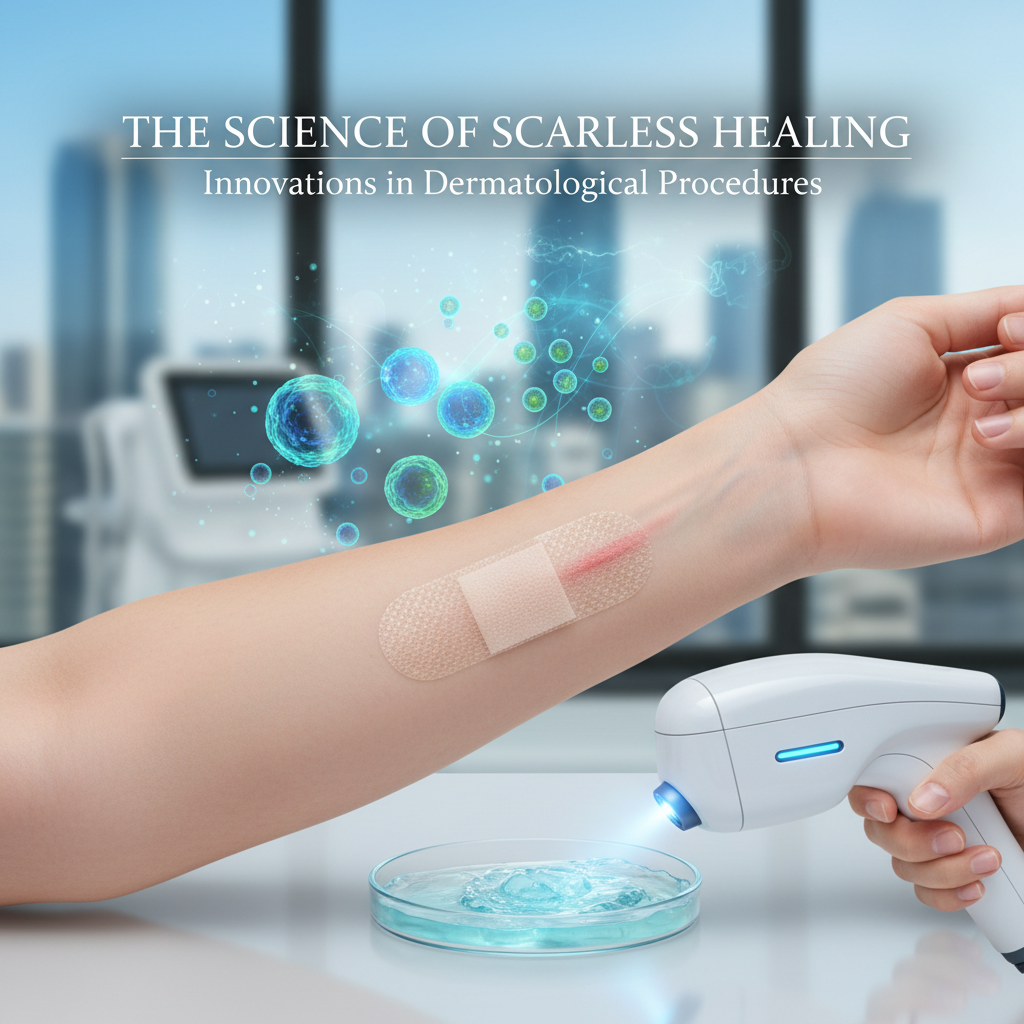
The Science of Scarless Healing: Innovations in Dermatological Procedures
For dermatologists, plastic surgeons, medspa owners and patients who care deeply about aesthetic outcomes, the fear of visible scars and long wound recovery is real. You’re juggling wound biology, device choice, patient expectations and timelines, and it feels like one wrong move could undo months of work. Our clinic and research collaborators translate the latest scarless healing science into practical dermatological procedures and post-op plans, so you get predictable, smoother results without the guesswork.
What is scarless healing and how is it different from normal wound repair?
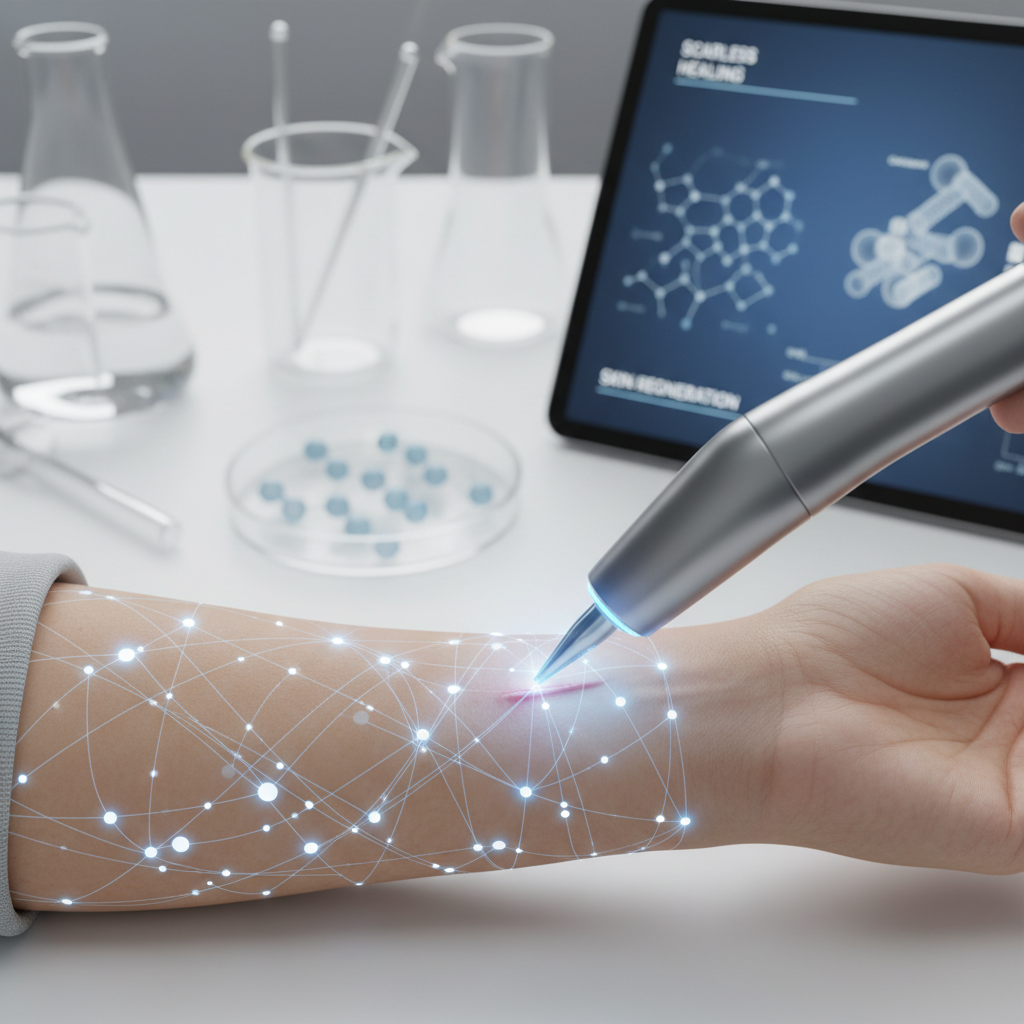
Scarless healing means the injured skin regenerates with minimal or no fibrotic tissue left behind. Not many adult humans truly heal scarlessly – it’s more common in fetal tissue. So when we say “scarless” in clinical practice, we mean greatly reduced scarring and improved cosmetic appearance, not invisible magic.
Normal wound repair is reparative: it closes the defect fast, lays down collagen (mostly type I), and forms a scar. Regenerative healing aims to restore normal skin architecture – the epidermis, dermal appendages like hair follicles, and a more organized extracellular matrix. That matters because the structure determines how the skin looks and moves.
How does the body normally heal?
Wound healing follows overlapping phases: hemostasis, inflammation, proliferation, and remodeling. Each phase has cellular players – platelets, neutrophils, macrophages, fibroblasts, keratinocytes – and biochemical signals like growth factors and matrix enzymes. If any phase is exaggerated or prolonged, you get more scar tissue. So the trick is to steer the process toward balanced, regenerative pathways.
Which dermatological procedures aim to achieve scarless healing?
There are several procedures and adjuncts that promote skin regeneration and improved aesthetic outcomes. Some reduce initial tissue trauma, others actively remodel collagen after healing. Often we combine approaches – that’s where the best results come from.
- Fractional laser resurfacing – fractional CO2 and Er:YAG create microthermal zones that stimulate controlled injury and collagen remodeling, improving texture and reducing scar visibility.
- Radiofrequency microneedling – mechanical needles plus thermal energy encourage neocollagenesis and dermal tightening with less surface damage than full‑field lasers.
- Microneedling with PRP (platelet-rich plasma) – microinjury plus platelet-derived growth factors can accelerate wound recovery and enhance skin regeneration.
- Advanced closure techniques – deep layered closure, tension-reducing sutures, and adhesive tapes cut scar width dramatically by minimizing mechanical stress during early healing.
- Topical biologics and peptides – growth factor formulations, silicone gels and specialized peptides modulate fibroblast activity and collagen deposition.
- Skin substitutes and cellular therapies – bioengineered dermal matrices, autologous fibroblast injections and cell-derived exosomes are emerging to replace scar tissue with more normal dermis.
How do these methods actually promote skin regeneration?
Simple answer: they control the injury and then manipulate the biology of repair. Laser or microneedling gives a predictable micro-injury that wakes up native repair mechanisms in a controlled way. PRP and growth factors nudge fibroblasts to produce better quality collagen, often more type III early on, which remodels into a finer, less noticeable matrix. And mechanical strategies reduce wound tension, which is a huge driver of hypertrophic scarring.
What factors determine wound recovery and scar outcomes?
There are a lot. Some you can change, many you can’t.
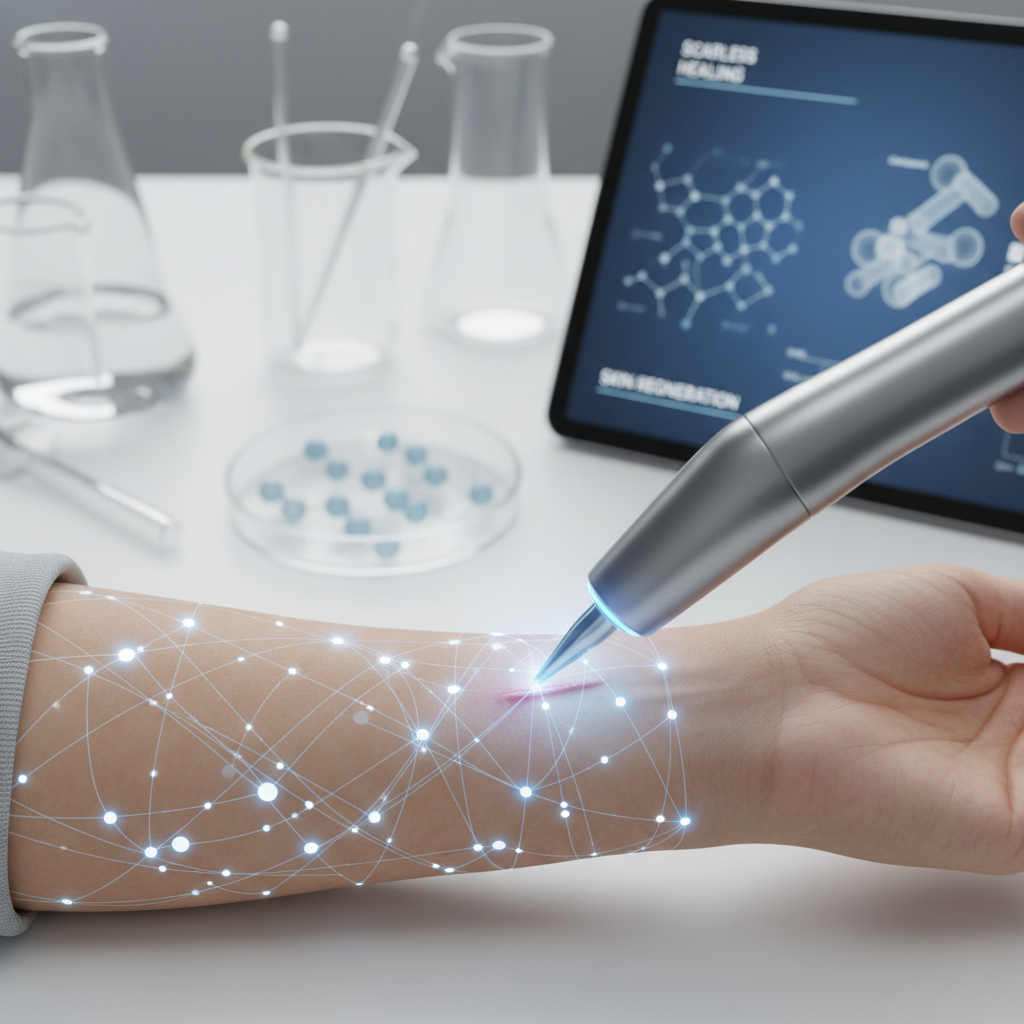
- Unchangeable factors: genetics, age, skin type (Fitzpatrick), and anatomical location.
- Modifiable factors: infection control, smoking cessation, glycemic control, wound closure technique, early scar care, sun protection.
- Procedure-related: size and depth of injury, device settings, surgeon technique, suture material.
Look – you can’t eliminate risk entirely. But you can stack the deck in your favor by addressing modifiable factors and using evidence-based dermatological procedures that target skin regeneration.
Practical steps clinicians and patients can take to improve aesthetic outcomes
Actionable strategies, right now. These are the things I tell patients before and after procedures. Short, practical, and they work.
- Optimize the tissue before any elective procedure – stop smoking 4 weeks prior, normalize blood sugar, treat acne or dermatitis at least 2 weeks out.
- Minimize trauma during the procedure – use sharp dissection, layered closure, and tension-relieving techniques. Good surgical technique still matters most.
- Start silicone therapy once the wound is fully epithelialized – silicone sheets or gels help flatten scars when used consistently for 8 to 12 weeks.
- Use early intervention lasers or microneedling for red, raised scars – many dermatologists start fractional laser or RF microneedling at 4 to 8 weeks to remodel collagen, depending on healing.
- Consider intralesional steroid for hypertrophic scars – if a scar is rapidly thickening, early steroid reduces fibroblast activity and bulk.
- Protect from sun – UV makes scars pigment darker and more obvious; SPF and physical protection for at least 6 months is non-negotiable.
- Follow a staged plan – acute wound care, then remodeling interventions at the right time. Timing matters as much as choice of device.
Emerging innovations that could redefine scarless healing
We’re on the cusp of some real shifts. Not hype – practical tools already in trials and early adoption.
- Exosomes and cell-free regenerative products – tiny vesicles that carry growth signals, offer regenerative benefits without whole cell therapies.
- 3D bioprinted skin and dermal matrices – realistic skin constructs that can replace scar tissue or speed regenerative healing.
- Targeted gene modulation – techniques that tweak fibroblast behavior and collagen synthesis, potentially preventing hypertrophic responses.
- Smart dressings – materials that deliver growth factors, control moisture, and sense infection risk in real time.
These approaches are exciting because they aim to change the fundamental biology of wound recovery, not just mask a scar after it’s formed. The best part is – well, actually there are two best parts – one, they reduce the need for repeat invasive revisions, and two, they improve patient satisfaction, which is what everyone wants.
How do you choose the right procedure for scarless healing?
Choice depends on the scar goal, downtime tolerance, skin type, and cost. Ask these questions before you start planning:
- Is the goal to prevent a scar from forming, or to improve an existing scar?
- How much downtime is acceptable? (Laser sessions require days of recovery; microneedling less.)
- Does the patient have risk factors for hypertrophic scarring or keloid formation?
- Are adjuncts like PRP or growth factor therapy feasible and affordable for the patient?
Talk through realistic outcomes. I think of it like choosing between a Ferrari and a bicycle – both get you places, but the costs and maintenance differ. Same with dermatological procedures.
When should a patient see a specialist?
See a dermatologist or plastic surgeon if a scar is widening, thickening, or causing functional problems, or if you simply want to improve aesthetics. Early assessment wins. Start conservative measures immediately after wound closure and escalate to lasers, injections or surgery only if a scar doesn’t respond.
If this feels overwhelming, our team can handle the plan for you – from pre-op preparation to staged remodeling. We map the timeline, choose evidence-backed interventions, and monitor progress. No guesswork.
Frequently Asked Questions
Can adult skin ever heal completely without a scar?
No adult skin typically regenerates exactly like uninjured skin, but with modern dermatological procedures and careful wound management you can get dramatic reduction in scar visibility and texture differences. The practical goal is optimal cosmetic outcome, not absolute invisibility.
When should laser or microneedling be started after surgery?
Many clinicians begin resurfacing or microneedling once the wound is fully epithelialized and inflammation is controlled, often around 4 to 8 weeks. Timing depends on the procedure, wound depth, and individual healing. Always follow your provider’s protocol.
Does PRP really help with wound recovery?
Platelet-rich plasma delivers concentrated growth factors that can accelerate early healing and boost collagen quality. It’s not a cure-all, but combined with controlled microinjury techniques it often improves outcomes.
Are stem cell therapies available for scars now?
There are clinical offerings using autologous cells and bioengineered materials, but many are still in research phases or available through specialized centers. Discuss risks, benefits and evidence with a board-certified specialist before proceeding.
What daily care reduces scar visibility?
Keep wounds clean and moisturized, use silicone once the wound is closed, protect from sun with SPF and physical barriers, avoid smoking, and follow up with your provider for early interventions if the scar starts to thicken or redden.