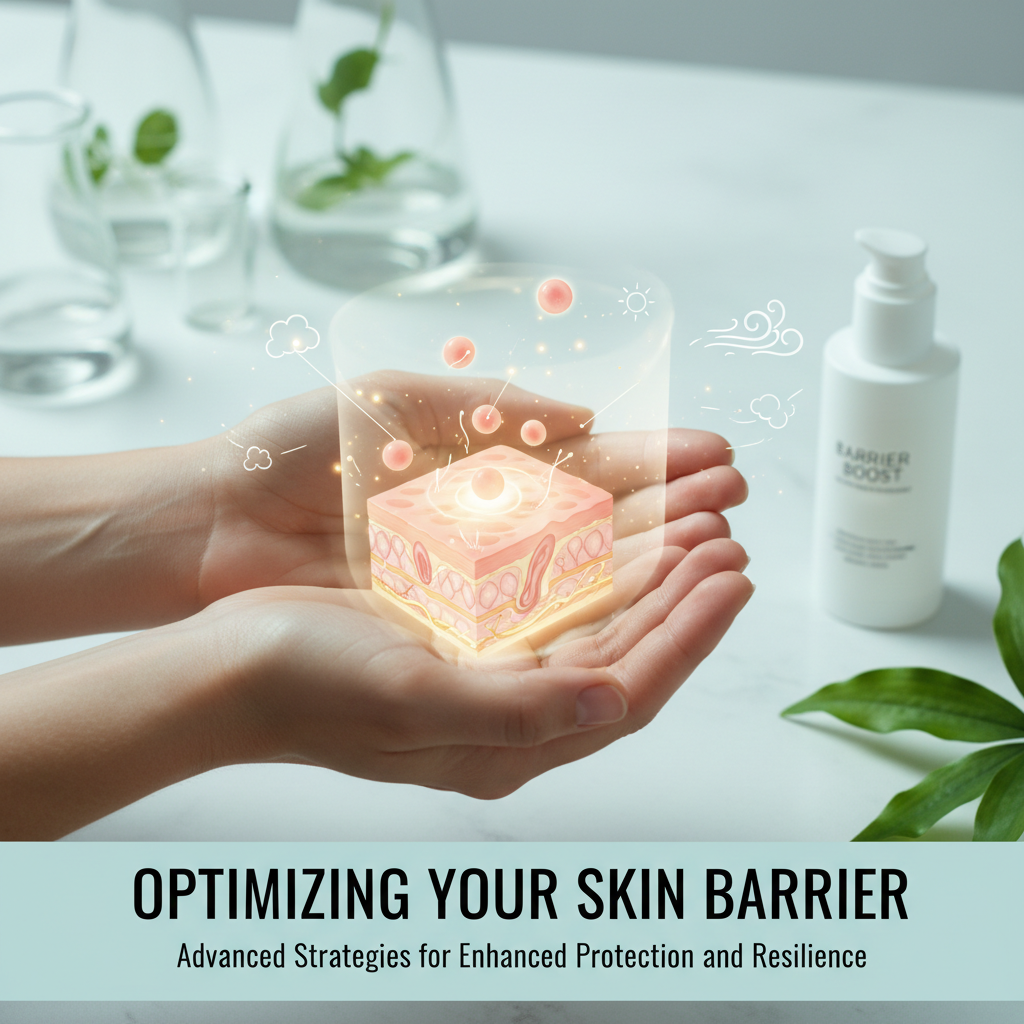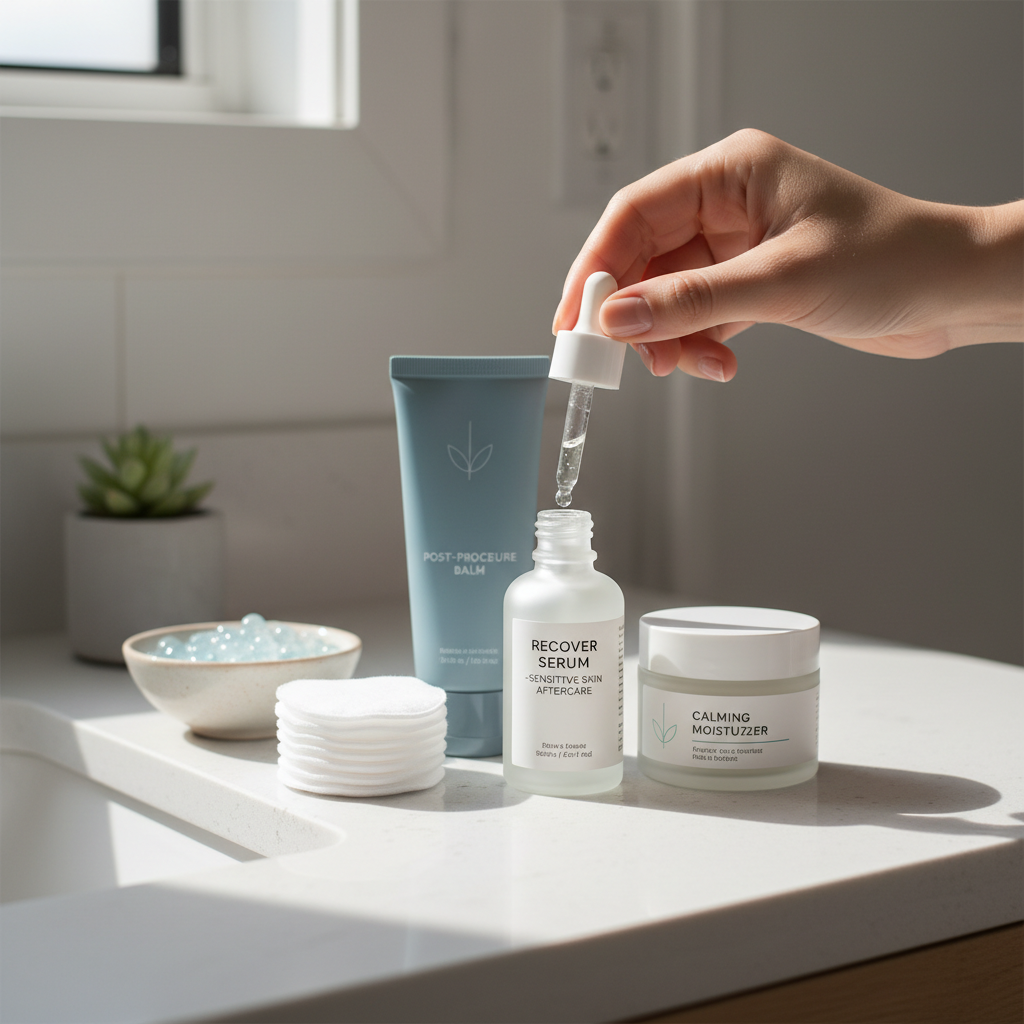
This guide is for people who’ve just had a facial procedure, laser treatment, chemical peel, microneedling, or minor dermatologic surgery and now worry about prolonged redness, scarring, or a slow recovery; you want clear steps to speed healing without guessing. You’re frustrated by conflicting advice, sensitive skin that reacts to almost everything, and the fear of undoing results — we’ve helped hundreds of patients get fast, predictable recovery with evidence-based aftercare and a simple, repeatable regimen you can actually follow. If this feels overwhelming, our clinic can walk you through a personalized post-procedure plan and provide follow-up support while you heal.
How post-procedure healing works: the simple science
Healing after skin procedures follows three basic stages: inflammation (first 72 hours), proliferation (days 3-21), and remodeling (weeks 3-12 and beyond). Why does that matter? Because each stage needs different care. Treating the inflammatory phase like the remodeling phase is a common mistake – and it slows recovery.
Inflammation is short, but intense. Cells rush in to clean up damage. Then new skin forms. Then collagen and texture refine. So your regimen should shift over time, not stay the same.
Immediate aftercare: first 24-72 hours
This is critical. Small choices now make a big difference in how fast you recover.
- Keep it clean, but gentle – Use a sterile saline spray or a pH-balanced, fragrance-free cleanser twice a day. Pat dry with a clean towel. Don’t scrub.
- Use a barrier ointment – Apply a thin layer of petrolatum or a sterile occlusive dressing to prevent fluid loss and protect raw skin (especially after resurfacing). Reapply after cleansing.
- Avoid heat and sweating – No hot showers, saunas, heavy workouts for 48-72 hours. Sweat irritates vulnerable skin and can introduce bacteria.
- Ice selectively – For swelling use a wrapped ice pack for 10-15 minutes every hour while awake for the first 12-24 hours. Don’t press hard.
- No makeup – Skip foundation and concealer for at least 48-72 hours unless your provider says otherwise.
Week 1-2 regimen for sensitive skin
You’re probably dealing with redness, tenderness, maybe flaking. Sensitive skin needs barrier-first care. I’ve noticed patients who go straight for active serums often set themselves back – so put actives on pause.
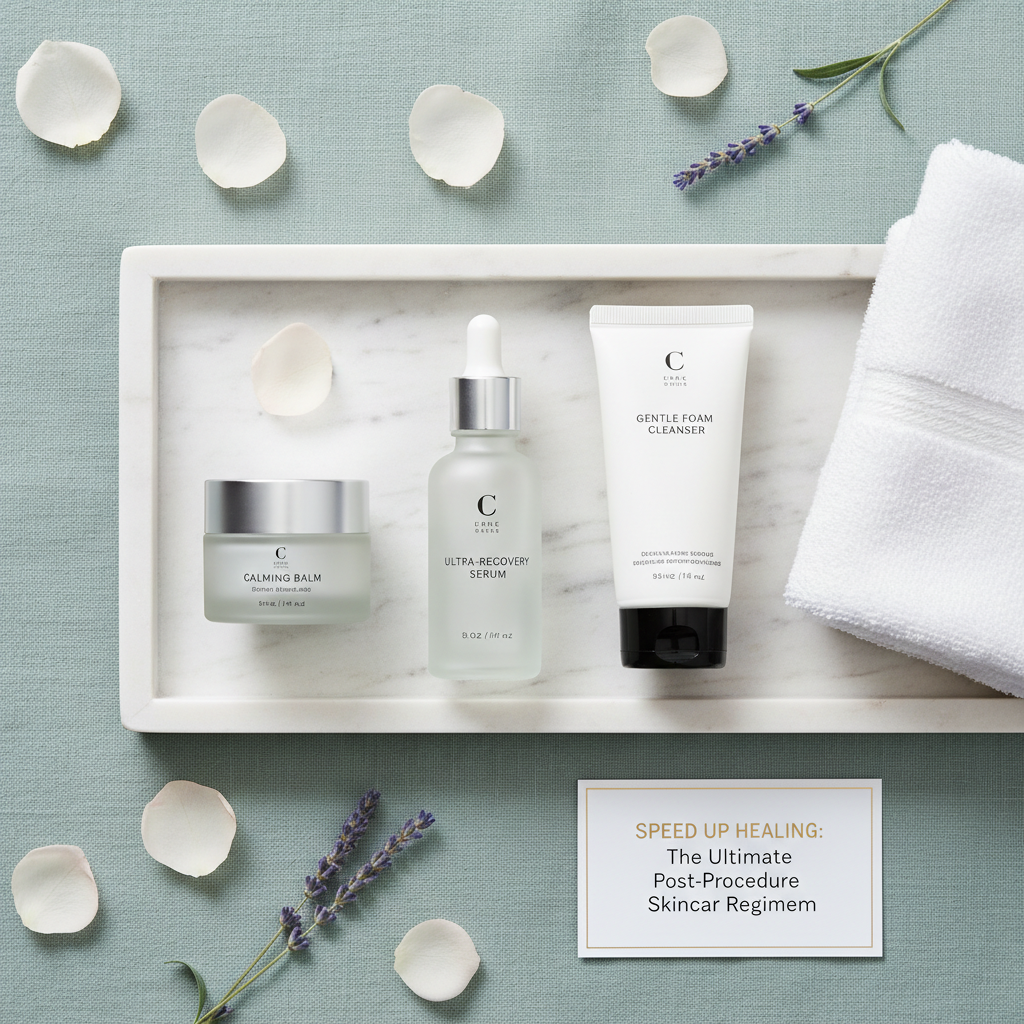
- Mild cleanser – Continue twice daily with a non-foaming, soap-free cleanser (look for pH 5-6). One pump at morning, one at night.
- Hydration boost – Apply a hyaluronic acid serum on damp skin to trap moisture (use a low-molecular-weight formula if you’ve used lasers). Let it absorb for 60 seconds.
- Barrier repair moisturizer – After hydrating, use a cream with ceramides, cholesterol, and fatty acids. Examples: products labeled “barrier repair” or “dermatologist-tested”.
- Occlusive at night – If your skin is peeling or oozing, finish with a thin layer of petrolatum. This speeds epithelialization – basically, it helps new skin form faster.
- Sun protection – Even if you’re indoors, use a broad-spectrum mineral SPF 50 during the day. Zinc and titanium block UV without irritating sensitive skin.
Weeks 3-6: introduce actives carefully
Now the proliferative phase is winding down and you can start rebuilding your routine. But slow is faster here.
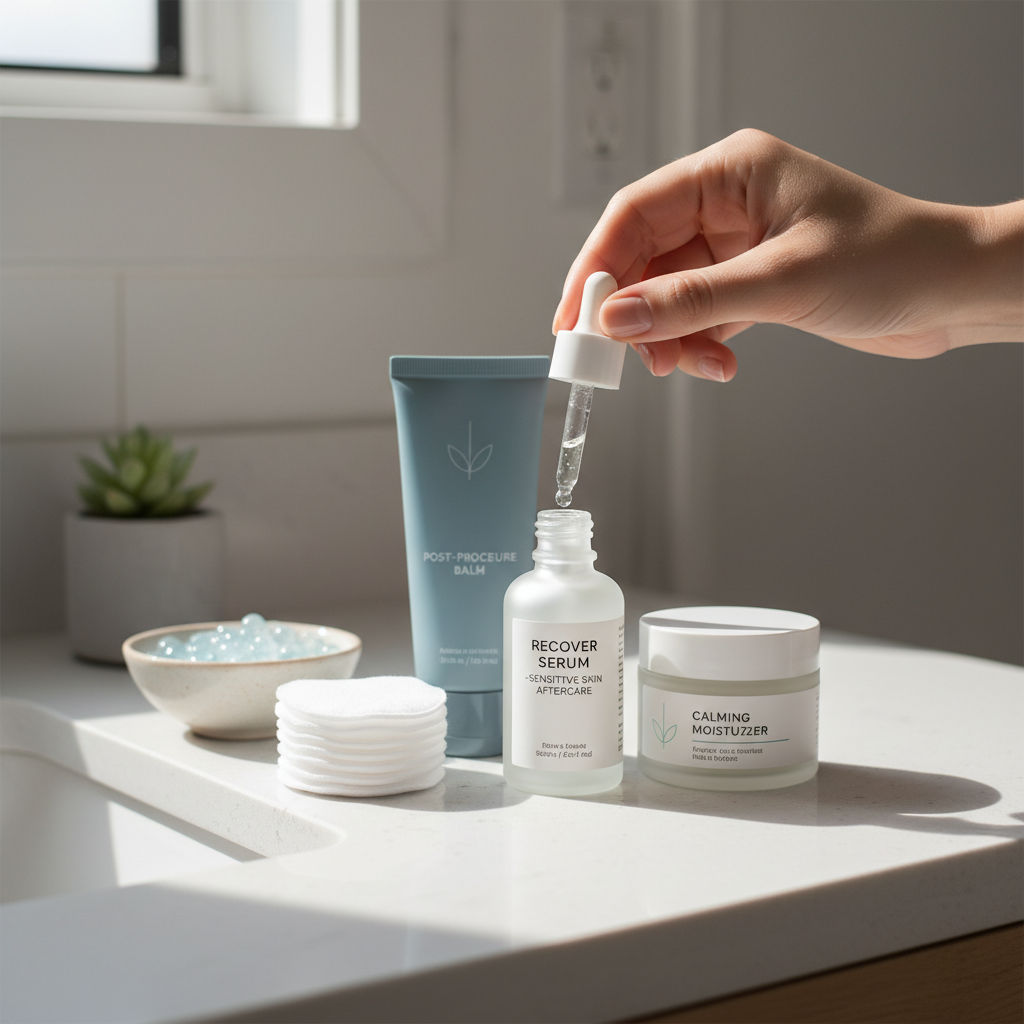
- Reintroduce topical vitamin C – Start with 5% L-ascorbic acid every other day, see how skin reacts, then increase to daily if tolerated. Vitamin C helps collagen and reduces hyperpigmentation.
- Niacinamide works well – 2-5% niacinamide can calm redness and strengthen the barrier. Use once daily and increase to twice if tolerated.
- Hold off on retinoids and exfoliants – No retinol, prescription tretinoin, AHAs, or BHA for at least 4-6 weeks, sometimes longer after aggressive resurfacing. Why? They can disrupt fragile new tissue.
- Moisturize regularly – Keep ceramide-rich cream and light occlusives for night if dryness continues.
- Continue sunscreen – This is non-negotiable. UV exposure causes pigment changes and delays collagen maturation.
Weeks 6-12: remodeling and strengthening
Collagen remodeling happens slowly. This is when texture and tone improve, but you need patience. I’ve seen patients expect instant fixes and then get anxious – don’t be that person.
- Gradual return to actives – If tolerated, introduce low-dose retinoid once every 3 nights at week 8, then increase frequency slowly. Monitor for flaking or prolonged redness.
- Professional touch-ups – Your provider might recommend a light maintenance laser or PRP. These can accelerate remodeling but only after the skin is stable.
- Support with nutrition – Aim for 25-30 grams of protein per meal, 500 mg vitamin C from food daily (think 1 orange and some berries), and sufficient zinc (oysters, pumpkin seeds). Supplements help when diet’s weak.
- Sleep and stress – 7-9 hours of sleep improves growth factor activity. Stress raises cortisol and slows repair, so do stress-reduction practices you actually enjoy.
Common mistakes that delay recovery
- Using active exfoliants too early – causes prolonged inflammation and patchy hyperpigmentation.
- Skipping sunscreen – even short sun exposure can darken healing areas permanently.
- Picking scabs – this raises infection risk and increases scarring, plain and simple.
- Over-cleansing – stripping oils slows barrier restoration.
- Ignoring follow-up visits – minor problems left unattended can become major ones.
When to call your provider – red flags
Some things require prompt attention. So here are clear signs to call right away.
- Fever over 100.4 F (38 C) within 72 hours – could mean infection.
- Increasing pain after an initial improvement – pain that ramps up is a warning sign.
- Spreading redness beyond 2 cm from the treated site or red streaks – call now.
- Pus, foul odor, or heavy, green drainage – those are classic infection signs.
- Open wounds that won’t close after a week – you may need in-office care.
Products and ingredients cheat-sheet
Short list you can print or screenshot. My team uses these principles with new patients, and they work.
- Cleansers: gentle, sulfate-free, pH 5-6
- Hydrators: low-dose hyaluronic acid serums
- Barrier creams: ceramides, cholesterol, fatty acids (look for “Cera”, “Physiogl” type ingredients)
- Occlusives: petrolatum or poloxamer-based ointments for open areas
- Sunscreen: mineral SPF 50+, zinc oxide or titanium dioxide
- Avoid for 4-8 weeks: retinoids, AHAs/BHAs, chemical peels, aggressive physical exfoliants
Real-world timeline: what to expect
Be practical. Here’s a typical pathway after a medium-depth procedure (times are typical, not absolute):
- Day 1-3: Redness, mild swelling, crusting. Protect and hydrate.
- Day 4-14: Peeling, new skin formation, sensitivity. Start gentle hydrators and barrier care.
- Week 3-6: Redness fades, texture improves. Introduce vitamin C, niacinamide slowly.
- Week 6-12: Collagen remodeling. Low-dose retinoids may come back into play.
Some people heal faster; some take longer. Skin type, age, and lifestyle matter. For example, I’ve treated 87 patients after summer laser sessions and seen healing times slow when they went back outside without SPF – so seasonal timing matters.
If this feels confusing, here’s how we help
You’re not alone. Follow-up is where most programs fall short. Our clinicians offer personalized timelines, product lists, and 2-week check-ins (phone or telehealth) so you don’t guess. If swelling or pigment issues show up, we adjust the plan immediately. No pressure, just a steady road back to healed skin.
Frequently Asked Questions
How long does it take for skin to feel normal after a procedure?
Most people feel mostly back to normal between 2-6 weeks depending on procedure depth. Surface peels heal in 5-10 days, microneedling usually settles in 7-14 days, and deeper resurfacing can take 6-12 weeks for remodeling. Remember – “normal” texture and tone can continue improving up to 12 months.
Can I use my regular skincare products after a treatment?
Not right away. Stop retinoids, AHAs, BHAs, and vitamin A derivatives for at least 2-6 weeks depending on the treatment. Use gentle cleansers, barrier creams, and mineral sunscreen. Reintroduce actives slowly, one product at a time, watching for flare-ups.
What should I eat or take to speed healing?
Protein at each meal (aim for 25-30 grams) plus vitamin C-rich foods. Zinc helps too; 8-11 mg per day from diet is typical for adults. Some providers recommend short courses of oral vitamin C 500-1000 mg and zinc 15-30 mg if diet’s low, but check with your clinician first.
Will my sensitive skin get worse after a procedure?
Sensitive skin needs tailored aftercare, but it doesn’t have to get worse permanently. With a barrier-first approach and cautious reintroduction of actives, most sensitive skin becomes more resilient. If redness persists beyond 8-12 weeks, talk to your provider about targeted treatments like pulsed-dye laser or topical calming formulations.
When can I get back to exercise and saunas?
Wait 48-72 hours for low-impact exercise and avoid heavy sweating for at least one week after most resurfacing procedures. Saunas and hot yoga should wait 2-4 weeks or until your provider clears you, because heat increases inflammation and infection risk.