AUDIENCE: This guide is for people with acne scars who are researching microneedling as a skin treatment, whether you’ve tried everything else or you’re just starting to look into options. PAIN POINTS: You’re frustrated by pitted or rolling scars, confused by conflicting before-and-after promises, worried about downtime, and scared of making your skin worse (especially if you have darker skin). CLIENT POSITIONING: We’ll walk you through how microneedling actually works, realistic recovery timelines, pros and cons, and when it makes sense to get a professional versus trying an at-home device — and if you want hands-on help, our clinic can build a customized plan and handle the procedure safely for you.
What is microneedling and how does it help acne scars?
Short answer: microneedling creates tiny controlled injuries with sterile needles to stimulate collagen and elastin — the building blocks that smooth and plump depressed acne scars. It’s sort of like encouraging your skin to repair itself, but in a guided, medical way.
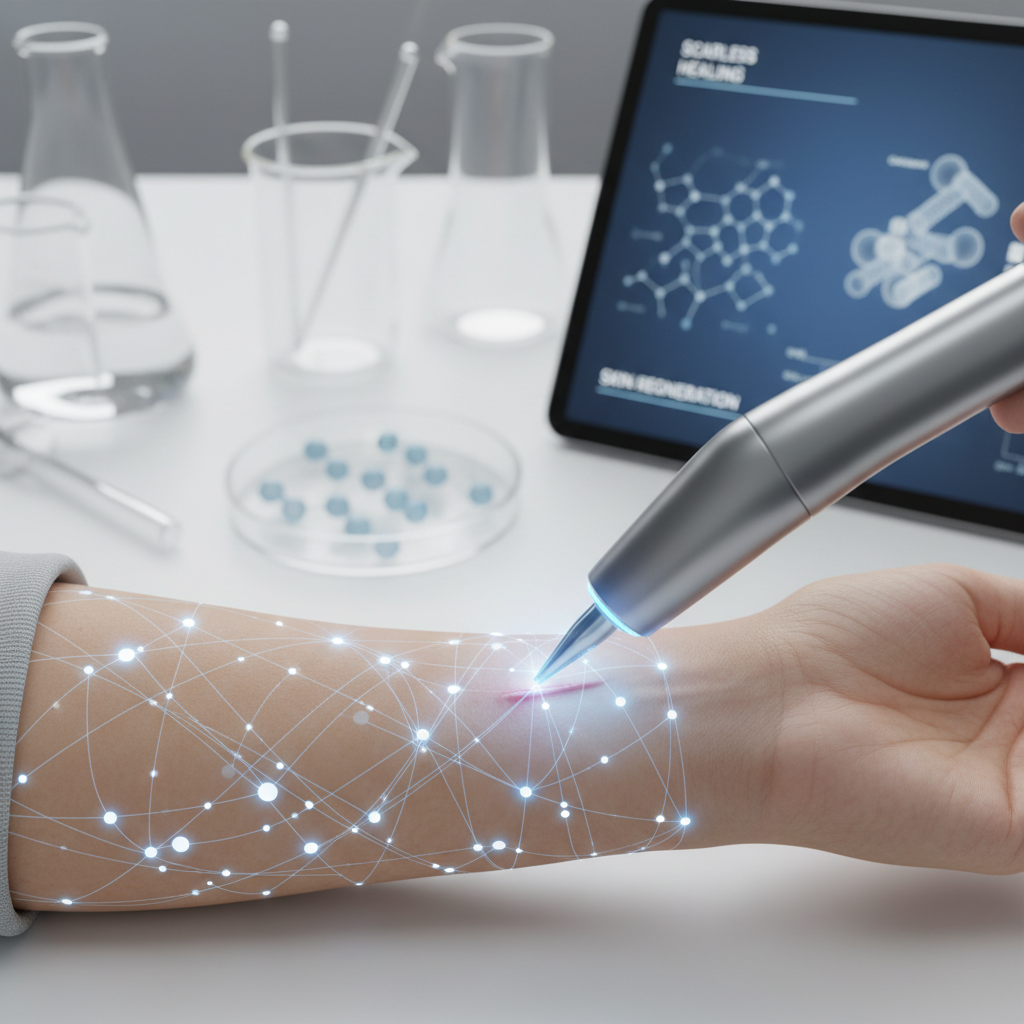
Longer answer: the needles punch micro-channels into the dermis, which triggers wound-healing cascades and new collagen formation over weeks to months. That collagen remodeling is what raises depressed, atrophic scars and improves texture. It’s not magic, though. Results depend on scar type (boxcar, rolling, icepick), needle depth, number of sessions, and whether you combine treatments like PRP or lasers.
Does microneedling really work for acne scars?
Yes, for many people. Why? Because microneedling addresses the structure of the scar, not just the surface. For rolling and shallow boxcar scars, it’s often very helpful. For deep icepick scars, it’s less effective alone and usually needs adjunctive treatments.
From what I’ve seen clinically, most patients notice visible improvement after 2 sessions, and meaningful change after 3 to 6 sessions spaced properly. That matches what most dermatologists recommend. But expect gradual improvement — collagen needs time to form (weeks to months), so patience is essential.
Which scar types respond best?
- Rolling scars – respond well
- Shallow boxcar scars – respond well to moderate improvement
- Icepick scars – limited response, often need punch excision or TCA CROSS
How many microneedling sessions do I need, and how far apart?
Simple answer: plan for 3 to 6 sessions, spaced 4 to 6 weeks apart. That’s the typical roadmap dermatologists follow.
Why that timing? Collagen remodeling takes weeks. If you space sessions too close you’re not letting the healing process complete, and if you wait too long you lose momentum. So 4-6 weeks hits the sweet spot.
At-home microneedling vs professional in-office treatment — which should you choose?
Short answer: professional for acne scars, at-home devices for minor texture maintenance only.
Here’s the deal. At-home rollers usually use 0.2 to 0.5 mm needles. They help product absorption and mild texture, but they don’t reach the dermis deeply enough to remodel collagen in a meaningful way for scars. Professional devices use adjustable depths from 1.0 to 2.5 mm (sometimes more), medical-grade needles, and sterile technique. Plus, clinicians can add PRP or topical growth factors right after treatment for better results.
Cost comparison (typical):
- At-home rollers: $20 to $150 (one-time purchase)
- Professional microneedling session: $200 to $700 per session, depending on clinic and city
Is microneedling painful? What’s the recovery like?
Short answer: it can be uncomfortable but topical numbing makes it tolerable, and downtime is usually short — 2 to 7 days of visible healing.
Details:
- Pain: Most providers apply a topical anesthetic for 20 to 45 minutes. With numbing you’ll feel pressure and vibration more than pain. Without numbing (home use) it can really sting.
- Immediate reaction: skin looks sunburned and feels tight and warm for 24 to 48 hours. Some pinpoint bleeding or bruising is possible if deeper depths used.
- Downtime timeline: Day 0 – bright red, like a bad sunburn. Day 1-3 – redness and swelling decrease; skin peels lightly. Day 4-7 – most people look presentable, though mild pinkness can linger. Full collagen remodeling continues for 3 to 6 months.
What are the risks and side effects?
Short answer: infection, post-inflammatory hyperpigmentation (PIH), scarring, and prolonged redness are the main risks. Risk is higher if the procedure isn’t sterile or if you have active acne or recent isotretinoin use.
Be cautious if you have darker skin (Fitzpatrick 4-6), because PIH is more likely. But that doesn’t rule out microneedling — it just means you need an experienced provider who can adjust depth and follow a strict pre/post protocol.
Pre-treatment checklist: what to do before microneedling
- Avoid retinoids and strong acids for 3 to 7 days before treatment (ask your clinician for the exact timing).
- Skip waxing, chemical peels, and laser procedures for 2 weeks prior.
- If you’ve taken isotretinoin in the last 6 to 12 months, talk to a dermatologist first (safety recommendations vary, so get a clearance).
- Start gentle sun protection — sunburned skin cannot be treated safely.
- Tell your provider about blood thinners, supplements like fish oil, and any cold sores. You may need antiviral prophylaxis if you get cold sores.
Post-treatment recovery and aftercare — exactly what to do
Short answer: keep it simple, gentle, and sun-free for at least a week. Use SPF, gentle cleanser, and hydrating serums as directed.
Specific steps I recommend (and most dermatologists agree):
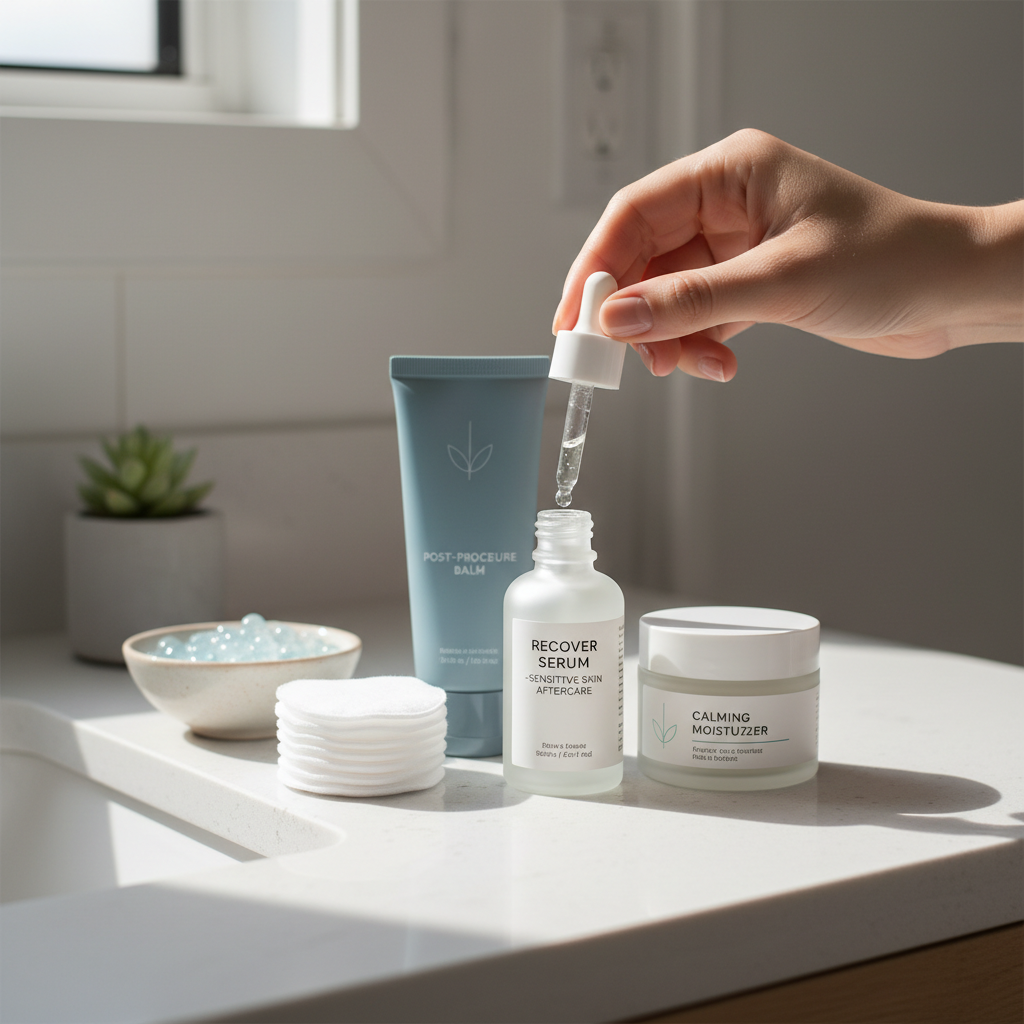
- First 24 hours: cleanse gently with lukewarm water, pat dry, apply a physician-recommended sterile serum or hyaluronic acid. No makeup unless approved by your provider.
- Day 2 to day 7: use a gentle moisturizer, avoid exfoliants and retinoids for at least 7 days, and wear broad-spectrum SPF 30 to 50 every day (yes, even indoors if you have windows).
- Avoid heavy sweating and swimming for 48 to 72 hours to reduce infection risk.
- If you get crusting or prolonged redness, call your provider. Don’t pick at scabs.
What does before and after look like — realistic expectations?
Short answer: expect gradual improvement. Don’t expect your skin to be 100% smooth after one session.
Specific expectations:
- After 1 session: texture looks fresher and redness may appear less prominent, but scars are still visible.
- After 3 sessions: many people see noticeable softening of rolling and boxcar scars (this is when friends start to notice).
- After 6 sessions: more dramatic improvement, though deep scars may still be visible and require additional treatments like subcision or laser resurfacing.
Photos can be helpful, but be wary of curated before-and-afters online. Lighting, angles, and makeup can change everything. Ask your provider for unedited photos and, if possible, patients with similar scar types to yours.
How does microneedling compare to other scar treatments?
Short summary:
- Laser resurfacing (e.g., CO2) – more aggressive, often delivers faster results for deep scars, but more downtime and higher cost.
- Subcision – mechanically releases tethered scars; often combined with microneedling for better lift.
- TCA CROSS – chemical method great for icepick scars; different tool for different scar type.
- PRP + microneedling – can enhance results by delivering growth factors immediately into microchannels.
So, it’s not one-size-fits-all. Think of microneedling as a versatile, moderately aggressive tool that works best when combined thoughtfully with other modalities based on scar type.
How much does microneedling cost and is it covered by insurance?
Typical cost per professional session: $200 to $700 depending on clinic, city, and whether PRP or topical growth factors are added. At-home devices are cheaper up front but don’t deliver the same results. Insurance generally does not cover cosmetic microneedling for acne scars, unless there’s a documented medical reason, which is rare.
Who should NOT get microneedling?
- Active acne with open lesions – you risk spreading infection and worsening scars
- Pregnant or breastfeeding? Ask your provider – many clinicians prefer to delay elective invasive skin procedures
- Recent isotretinoin within 6 to 12 months – talk to a dermatologist
- History of keloids or abnormal scarring – proceed cautiously
- Active skin infection like cold sores without antiviral coverage
Top FAQs people search for (People Also Ask)
Does microneedling cause scarring?
Not when done properly. If done too aggressively or without sterile technique it could cause scarring or infection. That’s why an experienced provider matters.
Can microneedling lighten dark acne scars?
It can help texture and reduce the appearance of some pigmented scars, but for established post-inflammatory hyperpigmentation (PIH), topical lighteners, chemical peels, or certain lasers may be more effective. Combining approaches often works best.
How long until I see full results?
Collagen remodeling takes time: you’ll see initial improvements in weeks, and fuller results at 3 to 6 months after the final session.
Final thoughts and next steps
Real talk: microneedling is one of the most cost-effective, versatile options for acne scars, especially for rolling and shallow boxcar scars. It’s not an instant fix, and you’ll get the best outcomes with a tailored plan — the right needle depth, session spacing, and possible combination treatments.
If you’re overwhelmed by choices or worried about downtime or pigmentation, our clinic can assess your scar types, create a step-by-step treatment plan, and manage everything from numbing to aftercare, so you don’t have to guess. Book a consult, bring photos, and ask about real patient before-and-afters for scars like yours — that’s the best way to set realistic expectations and get results that last.