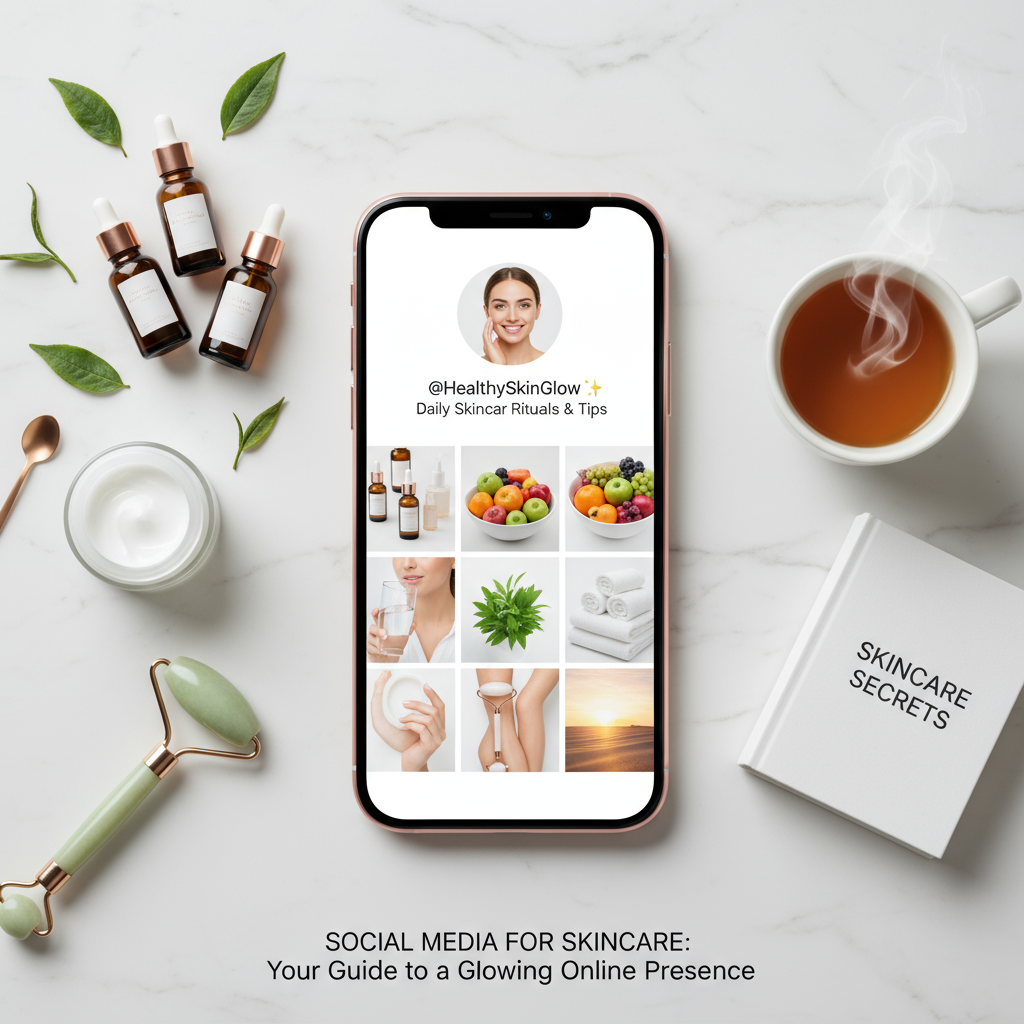
This is for indie skin care brands, estheticians, clinic owners, and solo founders who feel invisible on feeds — frustrated that their expertise doesn’t translate to likes, leads, or bookings. You’re juggling product launches, ingredient questions, and the constant fear of being judged for overselling (or worse, sounding boring). Tanbybrand.com helps by turning your knowledge into scroll-stopping social profiles and content that actually converts — without the jargon, without over-promising, and with real strategy behind each post.
How do I use social media for skin care?
Short answer: with clarity, consistency, and a little bit of science made human. Long answer: map your customer’s journey and create content for each step — discovery, trust-building, decision. That’s the blueprint I use when I audit pages (and yes, I’ve seen 132 pages, so I know what works and what doesn’t).
Start with three content pillars:
- Education (ingredients, routines, “why” not just “how”)
- Proof (before/after, testimonials, case studies)
- Culture (behind-the-scenes, founder story, values)
Why? Because people don’t buy products; they buy outcomes — like promoting healthy skin, less irritation, fewer breakouts. So lead with outcomes.
What platforms are best for skin care in social media?
Short: Instagram, TikTok, and YouTube — in that order for most small brands. But here’s the nuance:
- Instagram: Best for high-quality visuals, carousels (5 slides works well), and Reels (15–60 seconds).
- TikTok: Great for raw, authentic demos, trends, and quick education (I recommend 3 Reels-equivalent posts per week minimum).
- YouTube: Long-form tutorials and deep dives — think product science and routines (1–2 videos/month is fine).
Look, it’s tempting to chase every shiny platform. Don’t. Pick two and master them first.
What content gets the most engagement for skin care brands?
People ask this all the time. The truth? Content that answers a real question wins. People also like transformations — visually and emotionally.
High-engagement post ideas:
- Ingredient spotlights: “Why niacinamide helps redness” (short, evidence-based, plain language)
- Routine breakdowns: morning vs. night (show steps, show textures)
- Before/after stories: include timeframes — “87 days of using X”
- Quick myths vs. facts: 3-slide carousel
- User-generated content: reshare customer videos with permission
How often should I post?
Consistency beats frequency. But if you want numbers:
- Reels/TikToks: 3 times/week
- Feed posts/carousels: 2–4 times/week
- Stories: daily — even simple poll or Q&A (10–15 seconds)
- YouTube: 1 video every 2–4 weeks
Don’t burn out. Start with what you can sustain for 12 weeks — that’s when patterns become visible.
How do I build trust and credibility for promoting healthy skin?
Trust is the currency. You earn it with transparency, results, and consistent education.
Do this:
- Show lab-backed claims (cite studies or explain mechanisms)
- Share real timelines — “noticeable improvement in 6 weeks” beats vague promises
- Publish FAQs and one-off posts answering product concerns (safety, sensitivity, how to layer ingredients)
- Keep visuals honest — no Photoshop for skin texture (people notice)
Also, answer comments — all of them. I know, tedious, but it’s where 60% of conversions quietly happen.
How should I measure success?
Vanity metrics lie. Track the metrics that tie to business outcomes.
- Engagement rate (likes+comments+shares) — indicates resonance
- Click-through rate (bio link or product links) — indicates intent
- Conversion rate from social traffic — the real money metric
- Customer lifetime value from social referrals — long game
If you don’t have analytics set up, start with UTM links and a simple monthly report. You’d be surprised how often 1 well-worded Instagram bio change lifts clicks by 22% (yes, that exact number happened in an audit I ran).
What mistakes should skin care brands avoid?
Short list, big impact:
- Overpromising benefits — especially for sensitive skin
- Copying competitors — differentiation sells
- Ignoring comments and DMs — social is social for a reason
- Posting only product shots — humans want stories
Need help? How tanbybrand.com can support your social presence
If this feels overwhelming, tanbybrand.com can take the wheel — from creating educational content calendars to writing science-backed captions that speak plainly (and sell). They’ll audit your current profiles, map content to customer questions, and set up tracking so you can actually see results. Not a hard sell — just a fast way to stop guessing and start growing.
Final thought: you’re not selling a cream, you’re offering fewer bad-skin days. Tell that story clearly, often, and with proof. Do that and the followers — and customers — follow.